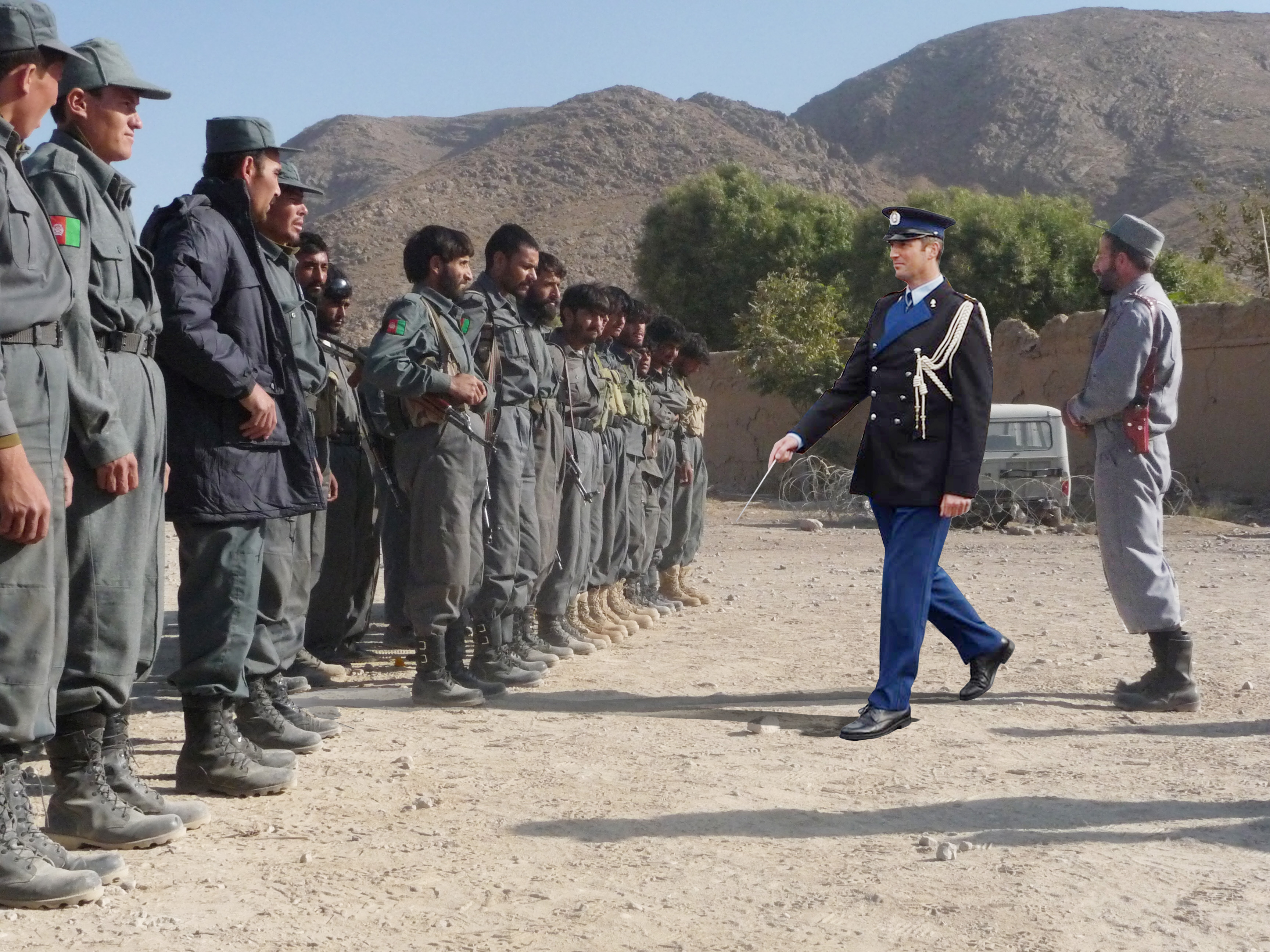
Bernard Wientjes, voorzitter van ondernemersorganisatie VNO-NCW, vandaag in een ingezonden brief in Trouw.
Bernard Wientjes, voorzitter van ondernemersorganisatie VNO-NCW, vandaag in een ingezonden brief in Trouw.
Posted in Economics, Is everything propaganda then?, National propaganda | Tagged Bernard Wientjes (VNO-NCW), inkomensongelijkheid, loonstop, nationale nullijn inkomen, schuldencrisis, verbod op loonactie | Leave a Comment »

Dutch State Television (NOS) had a special prime time news bulletin of 30 minutes on a skating event in the Northern Province of Friesland, that has been cancelled because of insufficient good ice. This is seen by Dutch media as ‘a national disaster’, after them whipping up public attention and commercial expectations during the recent cold winter weeks.
De Elfstedentocht (the eleven town tour) is a 200 kilometer skating tour and competition through the Northern Province of Friesland, existing since 1909 and – only rarely – takes place, because of too soft winters. The last skating tour was held in 1997.
On wednesday February 8th the association that organises the tour called it all off, because of insufficient thickness of the ice (15 centimeter were needed ‘iceologists’ explained). This non-event was blown up beyond proportions, with five or so journlists at different spots in the Northern province telling us that nothing would happen.
Everything was so serious and exalted in the presentation of this “world news” – a life press conference on non-skating – that it managed almost to reach the level of the famous North Korean public television drama display of ‘national suffering’, though others may have thought to watch the Monty Python News.
The journalist in the middle of the picture is the senior and schizophrenic sports reporter Mart Smeets who said first (February 5th.) that the whole skating event of the Elfstedentocht was nothing more than “an abject commercial funfair” (een platte commerciële kermis) and later could not stop himself to be in the camera lime light of this ‘local world news’, even where it was nothing more than an anti–happening.
In the previous week I noticed also the NOS reporter Peter ter Velde (his name means “in the field”) well known as an embedded NATO journalist in Afghanistan, standing in front of a half frozen ditch in Friesland, with the same serious face as he puts on when reporting about the successes of the Dutch troops in Uruzgan and Kunduz in schooling Taliban fighters.
When you missed it you can enjoy it all at: http://www.uitzendinggemist.nl/afleveringen/1238898
World disasters and local misery have to wait a bit for receiving again full Dutch State Television attention, till after the Frisian meltdown.
Side effect is – once more – that we are updated on the social and political priorities of the editorial staff of the NOS Television Journal.
Posted in Is everything propaganda then?, National propaganda | Tagged Elfstedentocht 2012, Mart Smeets (sport journalist), NOS Journaal, Peter ter Velde, Peter ter Velde (embedded journalist) | Leave a Comment »

Geachte heer Aboutaleb,
ik reageer op uw positieve reactie op het besluit van het Europese Parlement aangaande EU-breed stadiumverbod voor voetbalhooligans: “Aboutaleb juicht Europees stadionverbod toe.” (1)
Ik begrijp uw reactie, maar denk dat u onvoldoende heeft nagedacht over de ongewenste bijwerkingen op langere termijn op het gebied van burgerrechten, doordat hiermee een precedent geschapen wordt voor groepsgewijs uitsluiten van onrust veroorzakende groepen burgers (ook hooligans zijn burgers), daar waar ik denk dat onze rechtstaat gegrondvest is op individuele burgers en hun individuele verantwoordelijkheid.
Hoe kan een Rotterdams bestuurder een in Italië of Kroatië uitgevaardigd stadiumverbod handhaven? Buitenproportionele controle zal het gevolg zijn. Een stadiumverbod is een heel ander middel dan een bestraffing voor een geweldsdelict. Een veroordeling in een ander land automatisch tot een veroordeling voor het gehele EU gebied te verklaren en het uitvaardigingen van (omstreden) uitreisverboden zoals nu voorgesteld wordt door Groot Brittannië (2), heeft enkel oog voor de taak van orderhandhaving, maar niet voor de fundamentele rechten op bewegingsvrijheid van Europese burgers.
Als iemand geweld gebruikt dient deze gestraft te worden. Vrijheidsbeneming met gebruikmaking van de gevangenis is daartoe het middel. De straf zal afhankelijk zijn van de aard van het vergrijp, maar een straf eenmaal uitgezeten is daarmee dan ook afgehandeld. De trend die wij nu zien is tegengesteld, bovenop taak en gevangenisstraffen worden nu ook andere strafmaatregelen gestapeld, terwijl het grondprincipe toch zou moeten zijn dat je maar éénmaal voor een vergrijp gestraft kan worden. Levenslange stadiumverboden zoals die nu in door media opgezweepte overreacties opgelegd worden, zijn juridische wangedrochten. Gedwongen groepstherapie zou in uitzonderlijke gevallen meer op zijn plaats zijn dan opsluiting en daarover hoor ik maar weinig.
Het stadiumverbod is een heel ander ding dan een gevangenisstraf, het beperkt de bewegingsvrijheid van burgers op bepaalde momenten en plaatsen. Niet alleen is dat een inperking van grondrechten, ook de handhaving ervan is zeer problematisch. (3)
Ik vraag u nog eens goed na te denken voor zoiets toe te juichen. U, als orderhandhaver van de stad Rotterdam, zal de groots mogelijke moeite hebben om op basis van computerbestanden hele volksmassa’s bij een voetbal stadion te screenen.
Het kan toch niet zo zijn dat door het gedrag van een zeer beperkte groep hooligans het overgrote deel van de voetballiefhebbers aan de methodes van een politiestaat blootgesteld worden. Hoe denkt u dat het gaat? Politieagenten die op vermoeden van ‘hooliganisme’ met een draadloos apparaat en wellicht een iris-scan (zoals gebruikt wordt in Irak en Afghanistan door de US en NATO troepen) mensen aanhouden, om hun legitimatie verzoeken? (4) Een cordon om een stadion leggen, met checkpoints vol elektronische apparatuur en gekoppelde persoonsgegevens, zoals bij de overgangen tussen Israel en de Gazastrook?
Ook is er de al gememoreerde ‘precedentwerking’, waarbij een regeling en vooral een operationeel controlesysteem (centrale database, mobiele controle eenheden die gebruik maken van draagbare biometrische apparatuur voor vingerafdrukken, gelaats- en oogherkenning) zonder veel moeite op andere niet ordelijke sociale groepen toegepast kan gaan worden. De strijd tegen voetbal hooligans ontaard op deze wijze in het experimenteren op burgers met hoog technologische controle-systemen en heeft een grensverleggende werking voor wat maatschappelijk aanvaardbaar geacht wordt aan overheidscontrole. (5) Eenmaal ingevoerd is er nauwelijks een weg terug, zoals de wildgroei aan video-bewaking in de publieke ruimte laat zien. Technologie wordt in de plaats van gemeenschappelijke menselijke sociale controle gesteld.
Als u de gehele tekst van het sport-paket aan maatregelen van het Europese Parlement van 2 februari 2012 leest, dan ziet u dat de maatregel tegen ‘hooligans’ een oneigenlijke onderdeel van een overigens positief aantal maatregelen is (geen doping, geen uitsluiting van vrouwen, enzovoorts).
Het voorgestelde EU-wijde stadiumverbod is uiteindelijk een strafrechtelijke maatregel, die om een grotere zorgvuldigheid van het afwegen van voor- en nadelen vraagt, dan nu het geval is geweest, door dit onderwerp als één van een serie van vijf ‘sport-maatregel’ te presenteren. (1) Nu is het niet meer dan een aanbeveling van het EU parlement aan de regeringen (“Procedure: Non-legislative resolution; REF.20120201IPR36950”).
Het lijkt mij dat hooliganisme niet bestreden dient te worden in haar uitwassen, maar in haar ontstaan. Hooliganisme is iets dat in Groot Brittannië, heel anders is dan in Italië, zo ook Nederland, enzovoorts. Het behoeft een lokale aanpak en geen EU-wijde ‘ukaze’. Een lokale aanpak, die vragen bij heel de massasport industrie en cultuur (in die volgorde) dient te stellen, vragen over levensomstandigheden van de bevolking van een stad, opvoeding, onderwijs, werk.. en vertier. Een gemeentelijk beleid dat karakter en wenselijkheid van steeds maar weer grotere massa-evenmenten zou moeten onderzoeken en daarvoor andere vormen zou moeten proberen te vinden. Dat is meer een kwestie van creativiteit dan van repressie. Een sociaal-culturele taak, hoe ouderwets dat ook in dit tijdsgewricht mag klinken.
Het levensklimaat van een stad is iets wat vormgegeven kan worden door betrokkenheid van burgers en bestuur, verdergaand dan enkel de ‘vrije krachten van de markt’.
De oplossing van voetbalhooliganisme dient u – en al uw collega’s in andere EU landen – lokaal te vinden, ‘bottom up’. Al uw energie lijkt nu te gaan naar een ‘lik-op-stuk’ beleid, terwijl structurele initiatieven niet genomen worden.
Hoogachtend
Tjebbe van Tijen, Amsterdam 5 februari 2012
——
EPILOOG
Video = “Alles los met DJ Paul Elstak in de Legioenzaal na afloop van Feyenoord-Ajax”, 7 februari 2010, met de gescandeerde leuze “Rotterdam Hooligans” door een hossende jolige menigte van heel veel mannen tussen de 20 en 40 en zo te zien ook een paar vrouwen.
“Rotterdam hooligans” is hier een ‘geuzennaam’ en dat is niet verwonderlijk, saamhorigheid en uitstoting gaan altijd samen. Aan de orde is hoe saamhorigheid met voetbal als mobilisatiepunt vorm krijgt. Dat wat eens anders was, kan dus ook weer veranderen in de toekomst. Wie weet van de huidige jonge generatie wat het woord ‘nozem‘ of ‘bromnozem’ betekent, terwijl daarmee toch een halve eeuw terug een gelijk ervaren maatschappelijk probleem aangeduid werd, met Amsterdamse straatgevechten tussen ‘pleiners’ en ‘dijkers’? Zo zal het ook met het woord ‘hooligan’ voor volgende generaties gaan. Sociale bewegingen, sociale problematiek schuiven over het podium en verdwijnen uit het zicht. De overmaat aan electorale gelegenheidswetgeving is al wat er van overblijft, terwijl iedere staat echt al genoeg ‘stokken heeft om de hond mee te slaan‘.
In plaats van ‘wetgeving’ zou ‘vormgeving’ moeten komen. Vormgeving van het uitgaansleven en dan niet enkel voor de bovenste strata van onze samenleving met tennis- en golfbanen, musea en theaterzalen. Ik aarzel om voetbalhooliganisme zuiver als een een klasse-verschijnsel te definiëren, maar niemand kan toch de grote sociale samenhang van een groot deel van deelnemers eraan, ontkennen. Het zijn zeker niet de meest bevoordeelden in onze samenleving die hier hun vermaak vinden. Voetbalvandalisme (de aanvankelijke term, later geïnternationaliseerd tot ‘hooliganism’) is een jonge ‘tak van sport’. Een ontzettende hoeveelheid energie die – kort geleefd – groepsgewijs tot ontlading gebracht wordt. Ontladingen die zich van het voetbalveld – door toenemende controle daar – verplaatst hebben naar andere ontmoetings- en confrontatie-plaatsen, tot aan de rand van de snelweg. Voetbal vaak niet meer dan een aanleiding voor afleiding.
Zelf vormgegeven toernooien met extra mediabelangstelling als trofee. Kortstondige roem binnen de groep, waar ‘leiders’ en ‘volgers’ dynamisch uitwisselbare rollen zijn. ‘Meeloophooligan’ lijkt mij een ‘dubbel-op-term’. De poging om het klassieke model van misdaadbestrijding, het aanpakken van de ‘boevenbaas’ en daarmee de ‘knechten’, te projecteren op de Hollandse Hooligan gemeenschap en zelfs te verankeren in een Voetbalwet, is een wereldvreemde Haagse parlementaire gedachte. (6)
Voetbaldveldjes met een enkele tribune zijn heel bewust omgevormd tot arena’s met torende etages rondom. ‘Arena’ komt van het Latijnse woord ‘harena’ en dat betekent zand, een speciaal soort zand dat gebruikt werd om het bloed dat vloeide – bij gladiatoren en andere wrede spektakels – in de enorme publieke Romeinse theaters – op te slurpen. Het is die schaalvergroting en heel de commercie die daar aan mee geholpen heeft, die de grondvesten voor het hooliganisme gelegd heeft en die belang heeft om die constellatie in stand houden. Nu deze voetbalindustrie en de daarmee verweven bier-conglemeraten in toenemende mate onaangenaam geconfronteerd worden met de uitwassen van hun eigen schepping, is het onaanvaardbaar dat enkel de hooligan gemeenschap gecriminaliseerd wordt en het zakenleven buiten schot blijft. Deze omstandigheid draagt een geur van ‘klasse-justitie’ met zich mee.
Sport als spectaculair schouwspel heeft zijn grenzen bereikt. De verhouding passief consumeren en actief deelnemen is geheel en al zoek. Er is een hele hoop energie in hooliganisme waar iets anders mee gedaan kan worden dan nu gebeurd. Zo wij spreken van milieuvervuiling en na lang aarzelen proberen daar wat aan te doen, zo kan ook analoog gesproken worden van ‘sportvervuiling’ en is aan ons allen de taak om daar iets van te maken waar velen plezier aan beleven en hun energie op een prettige wijze in kwijt kunnen raken. ‘Verduurzaamheid’ zou een nieuwe ambtelijke term voor massa sport kunnen worden. Sport waar mensen elkaar weer weten te ‘verduren’.
—-
(1) European Parliament 2012/2/2: “Sport: EU tackles hooligans, corrupt agents and illegal betting.” Five issues in one resolution: Promote sport for girls; – Blacklist hooligans; – Make doping a criminal offence; – Regulate sport agents; -Combine learning and training.
“Blacklist hooligans – Parliament asks that supporters who are known to be violent or to engage in discriminatory behaviour be banned from all European stadiums. A European data base should enable national authorities to ensure that the ban applies to any international matches played on their territory. MEPs also call on Member States and sports governing bodies to commit to tackling homophobia and racism against athletes.”
(2) The Guardian 2010/06/17 Rupert Meyers: “Football banning orders are out of control Our draconian anti-hooliganism legislation unfairly infringes the free movement of football supporters”
(3) Relevante grondrechten
Universele Rechten van de Mens: “artikel 13 Een ieder heeft het recht zich vrijelijk te verplaatsen en te vertoeven binnen de grenzen van elke Staat.”
EuropaNu.nl (voorlichtings site EU): “Binnen de Europese Unie mag u vrij reizen. Dit betekent dat u slechts een geldig paspoort of een geldige identiteitskaart nodig heeft om naar andere EU-landen i te kunnen reizen. Als burger van een EU-lidstaat bent u geen toerist of reiziger als alle andere, maar heeft u specifieke rechten en mogelijkheden. Zo mag u naar alle andere lidstaten reizen en daar tijdelijk wonen.”
(4) Reuters 2012/02/03: “Football fans in one German state may have to pass through “face scanners” at stadiums, according to interior ministry proposals designed to eradicate hooliganism.”
(5) The Football Forum 2009/1/13: “Police to target hooligans with fingerprint scanners.” Football Supporters’ Federation fears its use may cause problems for law-abiding fans. A spokesman said: “As far as we’re concerned, football fans should be policed on their behaviour, not their reputation.”
(6) Zie mijn notitie op The Limping Messenger 2012/1/27: “Hooligans sport for ephemeral fame”
Posted in Justice, Social protest, Surveillance, The downside of leisure industry | Tagged biometrische controle, burgermeester Aboutaleb van Rotterdam, Europees Parlement, mensenrechten, recht op bewegingsvrijheid, stadionverbod, stadium ban, voetbal hooligans | 2 Comments »

EUROPEAN FOOTBALL STADIUM BAN FOR HOOLIGANS… Ahmed Aboutaleb major of the City of Rotterdam rejoices today the European Parliament initiative for an European level implementation of banning locally convicted football hooligans from all EU stadiums. (1) This law initiative has been long in the making. An earlier document by the Council of the European Union “Resolution of the Council on preventing and restraining football hooliganism through the exchange of experience, exclusion from stadiums and media policy” dates back to the year 1997:
The responsible Ministers invite their national sports associations to examine, in accordance with national law, how stadium exclusions imposed under civil law could also apply to football matches in a European context.
However much I dislike football hooligans this is a juridical precedent which will have far reaching negative consequences for civil rights in general. Not only does it create yet another centrally managed person database that can be accessed by all EU police forces (like data on persons DNA, illegal migrants and so on) it is a further step in constructing a ‘central EU police force’ with all its inherent dangers. Such an EU-wide anti-hooligan law also means multiplied condemnation – for a big part of the European continent – on the basis of a local conviction.
Together with actual proposals (in the Netherlands) for ‘whole sale mass arrests’, not only hooligan “leaders”, but also of their “followers” (‘meeloophooligens’ is the Dutch term), we can be certain that such an extra-national banning and black-listing power, will be abused in ways beyond our imagination. Once such a law and its enforcement has been put into effect, other ‘social distinct groups’ whose behaviour is classified as unruly can get the same routine treatment in the future. The Council of Europe document of 1997 cited above speaks of “preventing and containing of disorder”, so one need not to be surprised when other forms of “disorder” will be handled in the long run in the same way. For instance, when we take in account the frequent attempts by politicians – defending employers interest – to criminalise strike actions, trade union activists could be databased and blacklisted with the same ‘anti-hooligan routine’.
—-
(1) It is interesting to note that the ‘hooligan-ban’ proposals in the European Parliament plenary session of February 2. 2012, was part of a bundle of all kind of measures related to sport listed in this order: – Promote sport for girls; – Blacklist hooligans; – Make doping a criminal offence; – Regulate sport agents; -Combine learning and training. The resolution – thus packaged – has been passed with 550 votes in favour, 73 against and 7 abstentions. In the section of hooligans is also this sentence: “MEPs also call on Member States and sports governing bodies to commit to tackling homophobia and racism against athletes.” Something problematic in the sense of ‘civil rights’ has been hidden inside a package of mostly emancipatory proposals.
Posted in European politics, international justice, Social protest, Surveillance | Tagged blacklisting, civil rights, EU person databases, EU police force, football hooligans, meeloophooligans, stadium ban | Leave a Comment »

17th CENTURY SPIN FOR FRANÇOIS HOLLANDE: Oráculo Manual of the art of prudence by Balthasar Gracián (1601-1658). Almost daily (on French news) we see the foolish triumphalist behaviour of one of the very few alternatives to the reign of Sarkozy, and his UMP, François Hollande of the SP. Mass rallies and visits to pre-arranged supportive crowds as if he has already acquired the presidential seat. Election to the royal position of French president is – sadly – first of all a matter of ‘rhetorics’ and not of a party program. Person comes before content. The 21st century SPINS of Hollande are in my view hopeless and lead him to electoral disaster. I recommend a more classic SPIN, the study of the classic ‘art of prudence’ and the best master remains Balthasar Gracian a 17th century priest at the Spanish court, who published a pocket book (hand oracle) from which I will quote in the coming election time. This is the first maxime, number xix (19):
Arouse no Exaggerated Expectations on entering. It is the usual ill-luck of all celebrities not to fulfil afterwards the expectations beforehand formed of them. The real can never equal the imagined, for it is easy to form ideals but very difficult to realise them. (1)
—–
(1) English translation under the (alternative) title “The Art of Worldly Wisdom” done by Joseph Jacobs, [1892] in an on-line edition at Sacred Texts web site.
The Spanish original text “Oráculo manual y arte de prudencia” is on-line also in HTML format at the Biblioteca Virtual
Posted in Is everything propaganda then? | Tagged Balthasar Gracián (1601-1658), François Hollande presidential election 2012, maximes, prudence, spin, spin doctors | Leave a Comment »

”Ultrasone geluiden kunnen mannen onvruchtbaar maken” (Utrasone sound can make men infertile) is a belated news article in a Dutch daily today, as the news item dates back to the year 2010. The research is financed by the Bill Gates foundation with the idea that it might be a tool to make men temporarily infertile for 6 month or so by directing ultrasound to their scrotum. A research till now on rats in labs, but we know that lots of people like to experiment with the sound limits and pleasures of their bodies in the laboratory of the discotheque.
Ultrasound scan are a must nowadays, no pregnancy without a video-photograph of the unborn, though recently unnecessary fun scans for inpatient parents are under debate. There is even a CD (UltraSound – Music for the Unborn Child) to let your child listen to music before it is born still on sale at Amazon with Debussy, Bach, Schubert and Chopin… The news item made me think, how come that ultrasound is used so often and even propagated on the one hand, while on the other it restricts and even stops male sperm production and may harm the fetus.
NaturalNews.com US web site did have the same question two years ago and tries to come up with some answers… and doubts. http://www.naturalnews.com/028853_ultrasound_fetus.html My tableau fuses the CD cover with spermatozoids fleeing the ultrasound.
If my association of ultrasound in discotheques and other spaces with ultra loud music for leisure with bodily harm and specifically fertility and unborn babies, has any ground in science, I could not yet find out. The association remains, nevertheless.
 In a visual narrative scroll “Orbis Digitalium Pictus” I made a few years ago for an international theatre science congress ‘Orbis Pictus – Theatrum Mundi’ there is a small section on ultrasound, a way of visualisation known to me also directly in circumstances that were properly diagnostic. Likewise I have had the “pleasure” to be examined with such a sonar device as well, because ultrasound certainly is not just a ladies thing. In its origin it comes from industrial testing of materials and has had over half a century now of being applied in medicine.
Posted in The downside of leisure industry | Tagged fetus scans, male fertility, ultrasound | Leave a Comment »
A Dutch MP has proposed to change the law to make it possible to make whole sale mass arrests…of what she classified in Dutch as “meeloophooligans”. This category should enter a special law on football now in the making.
Now us Dutch do concatenate many words into one, so ‘meeloophooligan’ does split up in mee/with loop/walk and the now international word hooligan, though a decade or more ago in Dutch the word used was more descriptive: ‘voetbalvandalen’.
For a short article commenting on this attack on principles of law and civil rights I made a graphic and today I felt compelled to look at the graphic again, taking away the superimposed text: “mass leisure / mass arrest”. I am now still pondering on how to translate the new Dutch word ‘meeloophooligan into English and if that term does justice to the social phenomenon of football hooligans.
HOOLIGAN HANGER
would that work?, or would ‘hooligan hanger-on’ be better? The social classification ‘meeloophooligan’ itself is also in need of some scrutiny. Authorities always want to find out who is ‘the leader’ of a group of followers. There is a fundamental denial in law enforcement on the group dynamics of hooligans. In my observations the leader role can be taken on by anyone according to circumstances, a few seconds or minutes only. It is that ‘equal chance of short-lived fame’ during a brawl that must be the most attractive element of the mass leisure sport known under the name of: hooliganism.

Posted in Social protest | Tagged hooligan hangers, hooliganism, meeloopvandalen | 3 Comments »

—
SOPA = Stop Online Piracy Act
PIPA = PROTECT IP Act (Preventing Real Online Threats to Economic Creativity and Theft of Intellectual Property Act
ACTA = Anti-Counterfeiting Trade Agreement
obsolescence = Obsolescence is the state of being which occurs when an object, service or practice is no longer wanted even though it may still be in good working order. Obsolescence frequently occurs because a replacement has become available that is superior in one or more aspects. (…) Sometimes marketers deliberately introduce obsolescence into their product strategy, with the objective of generating long-term sales volume by reducing the time between repeat purchases. One example might be producing an appliance which is deliberately designed to wear out within five years of its purchase, pushing consumers to replace it within five years.
Posted in Consumerism, Obsolete information carriers | Tagged ACTA, PIPA, planned obsolescence of media industry, SOPA | Leave a Comment »

Henk Belt aan bij Ingrid om een donatie te geven.
—-
Waarom nieuwe wet politieke giften alleen PVV treft
Anti-PVV-wet
De PVV is dus de enige partij die hard getroffen wordt door de nieuwe wet. Vandaar dat Kamerlid Hero Brinkman gisteren al sprak van een ‘anti-PVV wet’. Hij heeft al ‘mazen in de wet’ op het oog. Zo zouden lokale partijen wellicht financiële steun kunnen leveren, want daarover staat niets genoemd. En ook zouden ‘Henk en Ingrid’ gevraagd kunnen worden om precies 4.499 euro te storten, zodat ze toch anoniem kunnen blijven.
Posted in goed nieuws | Tagged donaties aan politieke partijen, giften, Henk en Ingrid, mazen van de wet, PVV, transparentie, vitrage | Leave a Comment »

Newspaper heading these last days on the Dutch Stichting Brein (Foundation Brain) forces providers to effect an INTERNET BLOCKADE against Pirate Bay web sites“. The Foundation Brein received on January the 11, 2012 a court order that forces some of the big internet providers in the Netherlands (Xs4all and Ziggo at first, T-Mobile and UPC are on the list) to block internet services that Brein claims to be infringements of copyright and intellectual property. The blockade is aimed at sites of, and related to, ‘Pirate Bay’. The court order (1) mentions 24 internet addresses to be blocked. Already at court, Stichting Brein did make some changes in this blockade-list by taking off 4 addresses, that would take off-line web services that had little or no relation with Pirate Bay activities seen as infringements (one of them was a web site with educational movies for young people). It is in the same week that Dutch internet service providers (and 20 search warrants in eight other countries) have been forced to take the domain MegaUpload off line. The Dutch firm LeaseWeb – working for MegaUpload – saw 690 computer servers sealed (storing 15 of the total 25 ‘petabyte’ of data used by MegaUpload) by the Dutch Tax Authority (FIOD), executing an order of the American FBI. This series of events prompted a Green Left member of parliament (Arjen El Fassed) to ask questions to the Dutch government about this whole sale anti-piracy operations, whereby illegal and legal forms of data-traffic are not properly separated:
“Operations like this cause huge damage to the freedom and openness of the internet.”
I see as much Right as Wrong with CopyRight as it is practiced by the actual Media Content Industry – and Stichting Brein is – first of all – a tool of those corporate interests, though they like to pose as defenders of creative workers.
There is much to debate about copyright: what it once was, what it became and how to rethink the idea of claiming ownership on things reproducible for the future. As our media have changed dramatically, the idea and practical application of ownership of content should also be open to change. The same firms that invent and produce – endless and more and more quickly outdated – hardware devices, are producing and monopolising the content to be displayed on them, making profits on both software and hardware. There are many creative alternatives for intellectual property of content and distribution of “profits” in the making, that go beyond the singular ‘big players only’ approach, where content creators have little to no say and the content consumers are only seen as cattle to be exploited. ‘Creative Commons‘, ‘The Future of Music Coalition‘, and many more… When analysing how profits are made and revenues are distributed fairness for those who actually do the ‘creative work’, is hard to find.

Two recent examples that show how media industry both pushes and earns from selling hardware and software (content) and what the practice of sharing is when it comes to those actually producing 'intellectual property'. For sources see note (2)
We are all aware of the ‘digital gluttony’ that has been wakened in us by constant propagated consumerism. One’s personal economy to get unlimited access to content may deprive others from income, but to what extent ‘personal piracy’ hurts ‘corporate business’ is up to debate. The history of piracy in publishing and distribution tells another story than what the lawyers of content business want us to believe. The title of cultural historian and media scholar Siva Vaidhyanathan’s book published in 2003 says it all: “Copyrights and copywrongs : the rise of intellectual property and how it threatens creativity.” In the chapter “the digital moment” he sketches the impact:
The digital moment has also collapsed the distinction among three formerly distinct processes: gaining access to a work; using (we used to call it ‘reading’) a work; and copying a work. (…) Copyright was designed to regulate only copying. It was not supposed to regulate one’s right to read or share. But now that the distinctions among accessing, using and copying have collapsed, copyright policymakers have found themselves faced with what seems to be a difficult choice: either relinquish some control over copying or expand copyright to regulate access and use, despite the chilling effect this might have on creativity, community and democracy. (page 152-153)
The worst thing of this court order in favour of Stichting Brein is the wholesale BLOCKING of parts of the internet by a simple court order. Today it is Stichting Brein, tomorrow it is Stichting Zwijn (Foundation Swine), the day after Sacherijn (Chagrin), or whatever other interest group or private party that tries to claim ‘digital ownership’ by appealing to a court. We will see the court rooms reserved for months by the ‘law industry’ making a buck on limiting ‘freedom of expression’. What should be individual court cases against personal law infringement, have now become generalised measures which affects ‘fair use’ as much as ‘unfair practice’. This is were the historical idea of copyright (which was born as a tool for state or church censorship in the early days of the printing press) comes back in an ugly form: BLOCKADE.
What associations do we have with BLOCKADES? Depends who blocks whom for what and when and how. EEC BLOCKADE AGAINST IRAN, IRAN BLOCKADE AGAINST THE WEST, ISRAEL BLOCKADE OF GAZA, USA BLOCKADE OF CUBA, BLOCKADE OF WALL STREET, BLOCKADE OF WEAPONS FOR DICTATORSHIPS… So what is done to counter such kind of blockades I asked myself and the first thing that came to mind was the Airlift of goods to break the BLOCKADE OF WEST BERLIN (June 1948 – May 1949 the start of the Cold War) ….. The town of Berlin with an open West and East sector, was split in two and West-Berlin became an island surrounded by the DDR. Roads and railways were blocked and only trough a constant airlift of goods by the Allied Forces, West Berlin survived.
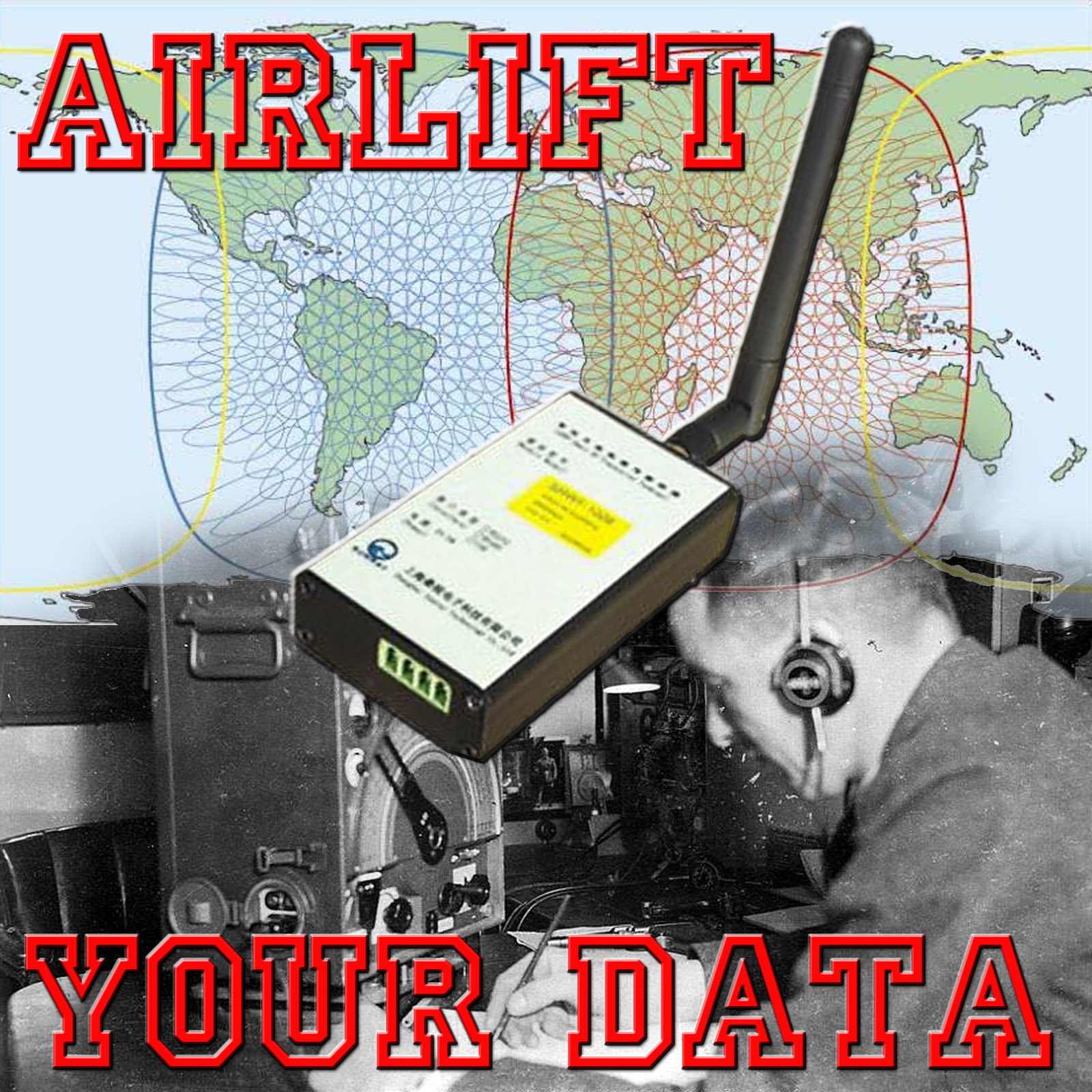
So when providers delivering their goods through cables are BLOCKED we may ultimately (if it was only a symbolic gesture to drive home the point of control of means of expression) consider ‘airlifting’ our data be it through some obsolete unused satellites, or by short wave radio, refracted (bend) radio waves between earth and ionosphere, accessible all around the globe.
THE FREE AETHER instead of THE BLOCKED INTERNET. In the last years before the downfall of the Berlin Wall, radio and computer amateurs in Hungary used radio-emission of data as a means of communication (partly so because to get a landline telephone connection in that country could take a decade or so). Such data-radio even played a role in the Hungarian support of the rising against the Ceaușescu regime in Rumania winter 1989. Dissidents all over the world have used short wave radio to get informed what was happening outside of their totalitarian nation, from the Soviet Union a few decades ago, to Cuba, still today. Radio-jamming was the answer, like digital blockades now, but jamming has always been limited to certain parts of the radio spectrum.
Inventive usage of radio-modems and de-central data distribution protocols, could once more become popular. Centralised networks make it possible to censor, block, seize, filter, ban ‘top-down’. We may need to look back at earlier models of electronic information exchange and distribution. Like FIDOnet a worldwide amateur computer network of ‘bulletin boards’ based on a tree-structure up- and download system using telephone lines and modems. FIDO has been founded in 1984 and grew into a world wide popular communication system till 1994, the year that the internet – as we know it now – started. FIDO is still popular in the Russian Federation, as a secondary form of communication. Some see a new future for such ‘bottom-up’ ways of electronic communication (3). There are nowadays many more creative solutions to go beyond the centrally controlled cable and satellite networks, an overview would go beyond the aim of this short article, but let me mention just one other inspirational experiment of ‘netless digital network‘ (4), a citywide network that uses public transport communication systems as its ‘information carrier’:
“… an independent communication tactic; invisible digital network that does not need wires or dedicated radio frequencies. alternative communication device that helps its users to avoid such controlled and observed space as the internet. free from governmentally owned medium channels (radio frequency ranges, emission power regulations), proprietary locked technologies and cable networks…”
It is of course not my proposed strategy to propagate a full change over from one way of electronic communication to another – adapted restrictions and controls soon would be invented for any generalised communication alternative – it is about over-dependency on one particular way of information access. By diversifying the communication systems we use, we may make ourselves more independent. Such a practice should also be stretched beyond electronic based systems.
Homing pigeons as messengers maybe still be considered, however outrageous that may sound. May I recall here the combined use of micro-photography and pigeon carriers used during the Prussian siege of Paris (1870-71), with handwritten news protocols, photographed, tightly rolled up and tied to the leg of a pigeon, moving back and forward from Tours and Poitiers – far behind the German lines – to the besieged city of Paris. Sometimes balloons were used to transport the pigeons out the other way to find back their homing target in Paris. During the First World War pigeons have been in wide use also on the trenched battlefields in the North of France. There is even a monument in their honour in Lille. The Imperial War Museum in London does have a vitrine that show message carrier dogs running over the battlefield delivering messages and post between the trenches.
I do not suggest at all that this should be repeated in exact the same way and under similar circumstances, but the basic principles is most inspiring: the combination of ancient (pigeon carriers) and modern (early days of photography) technology. Such an ‘intermediate’ technology usage is what I propose, it will safeguard free and independent communication for a future we can not know. It will be both fun and useful to start imagining and trying…

Notice the symbolism of the free airborne pigeon versus the threatening landlocked poisonous snake.
Notes
————-
(1)
Citation from court order (LJN: BV0549, Rechtbank ‘s-Gravenhage , 374634 / HA ZA 10-3184) with under (5.3) a list op ‘ip addresses’ and ‘domain and sub-domain names’ to be blocked by Ziggo and XS4ALL. What is alarming is the subsequent court order (5.4) that gives Stichting Brein the right to supply (without the need to go to court) other ip-addresses, domains and sub-domains related to Pirate Bay.
5.3. beveelt Ziggo en XS4ALL binnen tien werkdagen na betekening van dit vonnis hun sub VI van de dagvaarding bedoelde diensten die worden gebruikt om inbreuk te maken op de auteurs- en naburige rechten van de rechthebbenden wier belangen Brein behartigt, te staken en gestaakt te houden, door middel van het blokkeren en geblokkeerd houden van de toegang van hun klanten tot de domeinnamen/(sub)domeinen en IP-adressen via welke The Pirate Bay opereert, te weten:
IP-adressen:
(i) 194.71.107.15
(ii) 194.71.107.18
(iii) 194.71.107.19
Domeinnamen/(sub)domeinen:
(i) thepiratebay.org;
(ii) http://www.thepiratebay.org;
(iii) thepiratebay.com;
(iv) thepiratebay.net;
(v) thepiratebay.se;
(vi) piratebay.org;
(vii) piratebay.net;
(viii) piratebay.no;
(ix) piratebay.se;
(x) http://www.thepiratebay.com;
(xi) http://www.thepiratebay.net;
(xii) http://www.thepiratebay.se;
(xiii) http://www.piratebay.org;
(xiv) http://www.piratebay.net;
(xv) http://www.piratebay.no;
(xvi) http://www.piratebay.se.
(xvii) depiraatbaai.be
(xviii) piratebay.am
(xix) suprnova.com
(xx) themusicbay.net
(xxi) themusicbay.org
(xxii) http://www.suprnova.com
(xxiii) http://www.themusicbay.net
(xxiv) http://www.themusicbay.org
5.4. beveelt Ziggo en XS4ALL, voor het geval dat (de website van) The Pirate Bay via andere/aanvullende IP-adressen en/of domeinnamen/(sub)domeinen dan die onder 5.3) genoemd zou gaan opereren, de toegang van hun klanten tot deze andere/aanvullende IP adressen en/of domeinnamen/(sub)domeinen te blokkeren en geblokkeerd te houden, binnen tien werkdagen na aanlevering door Brein, zowel per fax als per aangetekende brief, aan Ziggo en XS4ALL van de juiste IP-adressen en/of domeinnamen/(sub)domeinen;
(2)
The videogame piechart has been published in the November 15 issue of Newsweek in an article by Christine Thompsen in the so called “Back Story” of that magazine.
Took me a long time to find the actual source of “The Great Divide” piechart of the music industry – as I mistrust data representations without their actual source – it has been publsihed first on July 6th 2010 in ‘The Root’ web magazine ina well documented article “The Music Industry’s Funny Money Still think a music career is an easy path to a blinged-out life? Don’t believe the hype. A whole lot of folks have to get paid before the musician does. The Root traces the money trail.” The writers of the article do thank Don Passman, writer of “All you need to know about the music business” for his help. That book has been published in the year 2009. The Root article can be found here…
(3)
A nice cartoon like reflection on the advantages of the old concepts of FIDO
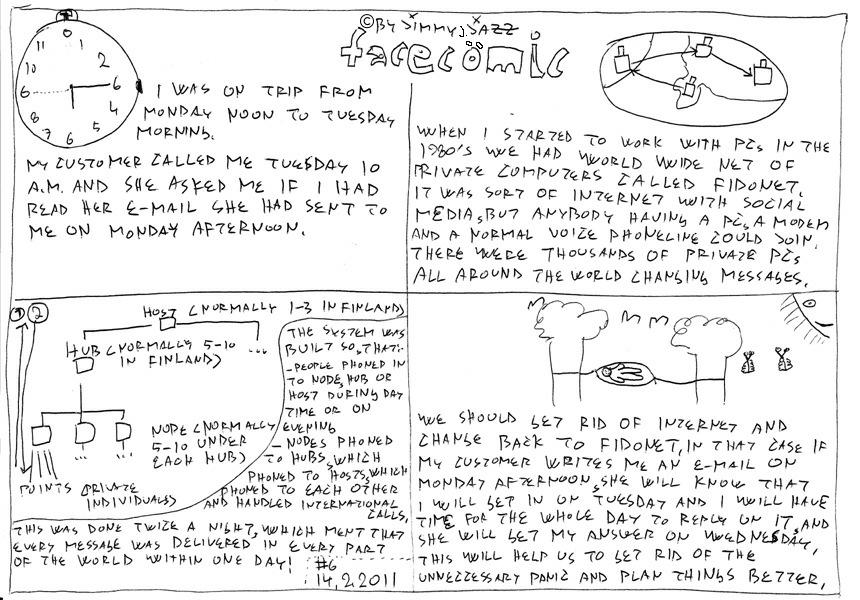
6 Jimmy J. Jazz - Facecömic: FidoNet messaging vs. Internet e-mail (the 16th of March, 2011) (Click the picture to enlarge it and click Esc button on your keyboard to return.) I was on trip from Monday noon to Tuesday morning. My customer called me Tuesday 10 a.m. and she asked me if I had read her e-mail she had sent to me on Monday afternoon. When I started to work with PCs on the 1980's, we had world wide net of private computers called FidoNet. It was sort of Internet with Social Media, but anybody having a PC, a modem and a normal voice phoneline could join. There were thousands of private PCs all around the world changing messages. The system was built to, that: people phoned to node, hub or host during day time or on evening nodes phoned to hubs, which phoned to hosts, which phoned to each other and handled international calls. This was done twice a night, which ment that every message was delivered in every part of the world within one day! We should get rid on Internet and change back to FidoNet. In that case if my customer writes me an e-mail on Monday afternoon, whe will know that I will get it on Tuesday and I will have time for the whole day to reply on it, and she will get my answer on Wednesdat. This will help us to get rid of the unneccessary panic and plan things better.
This is a map that show the FIDOnet in Russia…

(4)
A short manifesto like text of ‘netless’ is posted on their web site…

clicl text picture to enlarge
Posted in Connectivity, Media history | Tagged Berlin Blockade 1948-1949, blockade of goods, blockade of information, Blockade Wall Street, copyright, Cuba, EEC, FIFOnet, freedom of expression, internet blocking, Iran, MegaUpload, NETLESS, Pirate Bay, radio modem, shortwave data radio, Stichting Brein, UPC, Xs4all | 2 Comments »
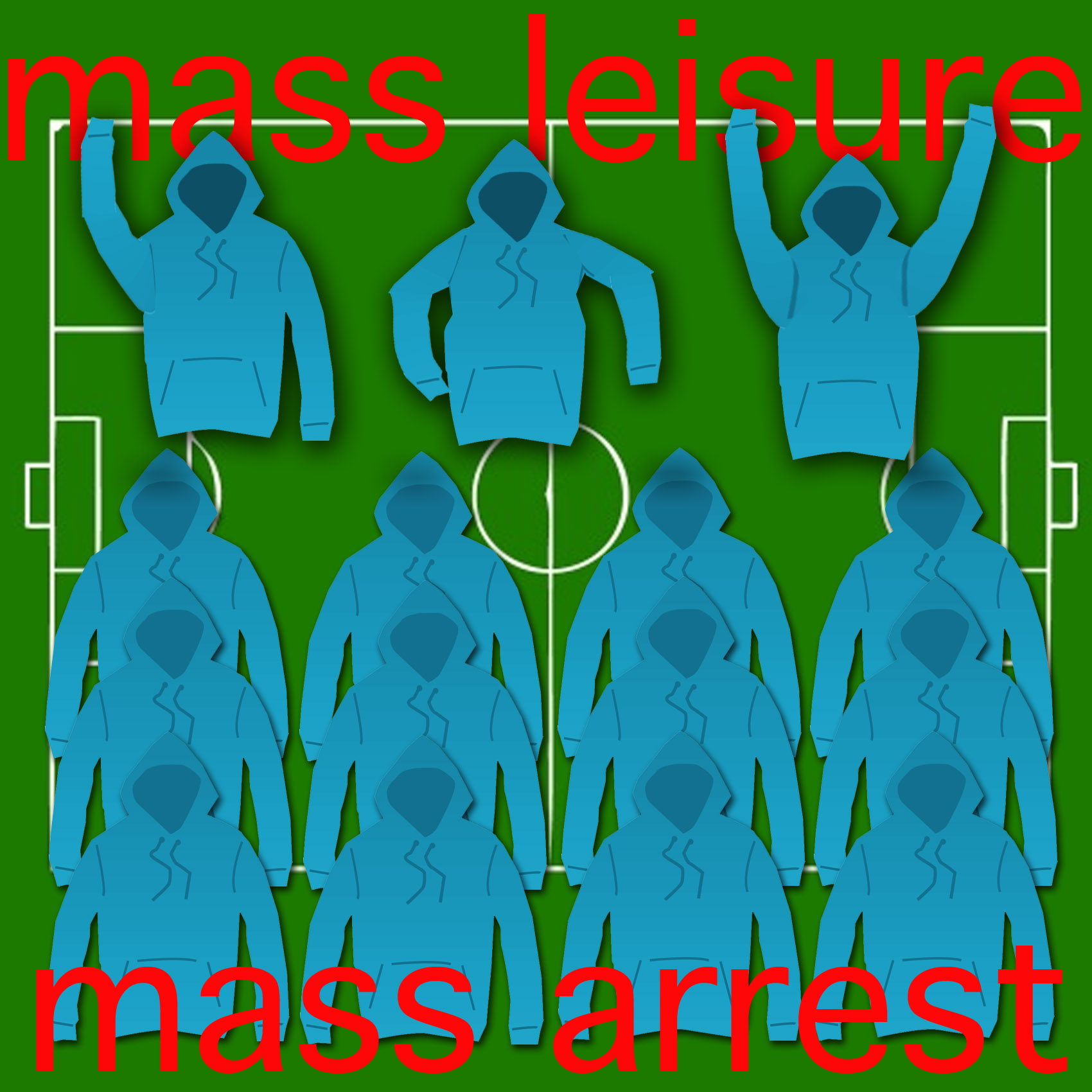
“CDA: Meeloophooligans ook de klos” CDAer Çörüz legt uit in het massaochtendblad De Spits: “de minister moet bij het Openbaar Ministerie (OM) eisen dat ook de meelopers worden vervolgd (…) onder het motto ‘Je was erbij, je bent erbij’.” Het lijkt een aanpak met massa-arresaties zo overgenomen van kameraad Alexander Lukashenko uit Wit Rusland, nu nog vast te leggen in een nieuwe Voetbalwet, straks gemakkelijk van toepassing verklaart op de komende woelingen in Hollands winkelstraten en andere sociale onrust. Wie geeft er nog om het behoud van ‘de rechtsstaat‘? Misdrijven worden gepleegd door individuen en groepsgewijze aanrekening dient gebaseerd te zijn op bewijslast per individu. Met dit massa-arrest voorstel wordt niet de oorsprong van het probleem aangepakt, maar enkel de uitwassen.
De-massificatie (*) van de sport en ander vertier, dat zou op de agenda van de kamerleden dienen te staan. “Zinloos geweld” bestrijden heet het, maar wat te doen met een samenleving waar voor velen de zin van het leven onvindbaar is? ‘Zingeving’ heet dat deftig en als de door de commercie tot massa gemaakte verveelde mens haar eigen zin – zelf vormgegeven spanning en sensatie – doet, dan zijn ze rijp voor massa-arrestatie. Er moet een oorzakelijk verband zijn tussen ‘meeloopkamerleden’, ‘meeloopkiezers’ en ‘meeloophooligans’: “erbij willen horen.”
———–
(*) “Hooligans zijn een product van de vermaaksindustrie en in het veranderen van de culturele waarden van die industrietak zal de oplossing van het hooligan probleem gezocht moeten worden, om het even of het nu om een voetbalstadion of een strandfeest bij Hoek van Holland gaat.” zie mijn betoog eerder op dit blog naar aanleiding van het dodelijke schietincident op het strand van Hoek van Holland, september 2009: ‘t Hoekje om bij Hoek van Holland: “zoooo wat een kanker er wordt gewoon helemaal geschoten”
Posted in City riots, Justice, The downside of leisure industry | Tagged CDA-Kamerlid Coskun Çörüz, massa-arrestatie, meeloophooligans, rechtstaat, voetbalhooligans, Voetbalwet, zingeving aan het bestaan, zinloos geweld | 1 Comment »

Daniel Cohn Bendit is an old style orator who loves to be on stage and debate, from the university back rooms of Nanterre in the mid sixties as a ‘young European anarchist’ and explicit anti-parlementarist, to the the front room of the European parliament in Strasbourg and Bruxelles as an elected deputé of the Green Party. Yesterday I saw on French television TV5 a snippet of his discourse against Viktor Orban, Hungarian President, comparing Orban’s position with that of Chavez and Fidel Castro.
To me his way of arguing on television seemed to be a fallacy, as Orban is a member of a neo-liberal right wing party – Fidesz – that came to the fore because of its fierce anti-communism.
When I tried to find a more complete registration of that yesterday debate, I failed to do so, but I did stumble upon a similar oration of Cohn Bendit versus Orban exactly one year ago on January 19. 2011.
Here Cohn Bendit’s discourse is less crude and more to the point when he attacks the new press laws of Hungary, which lets a (Fidesz) committee decide on the objectivity and balance of news reporting. State censorship in short in the name of “balanced information” (l’information équilibrée). It is the European Parliament meeting where the EEC presidency of Hungary for that year is inaugurated.
“L’information équilibrée n’existe pas” (balanced information does not exist) declaimed the Green tribune, facing and pointing to Hungarian President Orban and sums – apostrophic and repetitive in the form of rhetorical questions – cases from history where state authority has been challenged by news media: from the Watergate scandal of burglary in the offices of the Democratic Party under Nixon to the Abu Ghraib prison abuse under George Bush.
“L’information doit déranger la politique..” (information must derange politics). With a grim face and fierce gestures Cohn Bendit finishes his display of exemplum by adding after a short pause “et ça fait mal quelquefois: (sometimes that hurts).
Cohn Bendit is fully equipped to propose this dictum, as he has been fiercely attacked personally several times in his life – often unjustly – by news media that had to fear no state control in his favour. From the right wing news papers in 1968 calling him “un juif allemand” (a German Jew) (*) to the more recent attacks on him linking his sexual mores of the sixties and seventies to pedophilia (**).
When one sees this Youtube version of the Cohn Bendit debate in the European Parliament not embedded here but on the Youtube page, scandalous racist hate viewer comments are on public display, as well as the moderate and supportive ones. All this seems ‘unmoderated’. This is not “information équilibré” and one must have a harnessed soul to read many of the comments. The relative anonymity of the internet produces such reactions and its is up to any internet community to keep excesses under control.
We remain with the question whether the dictum ‘information must derange politics’ should also be applied to the public realm of digital social media.

—-
(*) 2 mai 1968 extreme right wing journal Minute writes: “Ce Cohn-Bendit, parce qu’il est juif et allemand, se prend pour un nouveau Karl Marx.” (this Cohn benit, because he is a jew and a German, takes himself for a new Karl Marx)
(**) “German MEP open about his paedophilia” is just one of the many descriptions (British Democracy Forum) of the belated reactions to a passage in his book “Le Grand Bazar” published in the year 1975 in which sexual tinted activities between him and some children are described. It took 26 years before a political opponent (German Foreign Minister Klaus Kinkel of the FDP/Free Democratic Party) grabbed the opportunity to confront Cohn Bendit with his escapades in the early seventies of last century. In January 2001 Cohn Bendit answered by way of an interview in The Observer: “I admit that what I wrote is unacceptable nowadays.”
Posted in European politics | Tagged Daniel Cohn Bendit, European Parliament, freedom of expression, media law, rhetorics, state censorship, Viktor Orban | Leave a Comment »

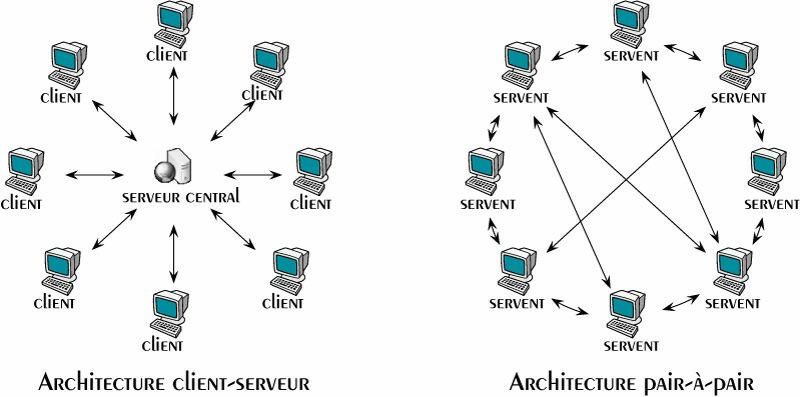
A DISTRIBUTIVE VERSION OF WIKIPEDIA IS NEEDED
Yesterday I was just checking the t figures of war death in Afghanistan… for an article I am writing and saw this banner pop up, I did know already because of ‘the news’: we will have a one day strike soon… will that halt the launch of the War Of Copyright Owners?
A discomforting thought is, that Wikipedia (the English version) can and will be blocked out in one move… Time to have a non-central, distributed version of this network that will be as difficult to ban, block or erase as ‘poisonous weeds’… I may have failed to follow Wikipedia networking technology, but my guess is that a distributive version, that keeps the functionality of debate and update, can be constructed.
Posted in Connectivity, Social protest | Tagged distributed networks, Wikipedia | Leave a Comment »
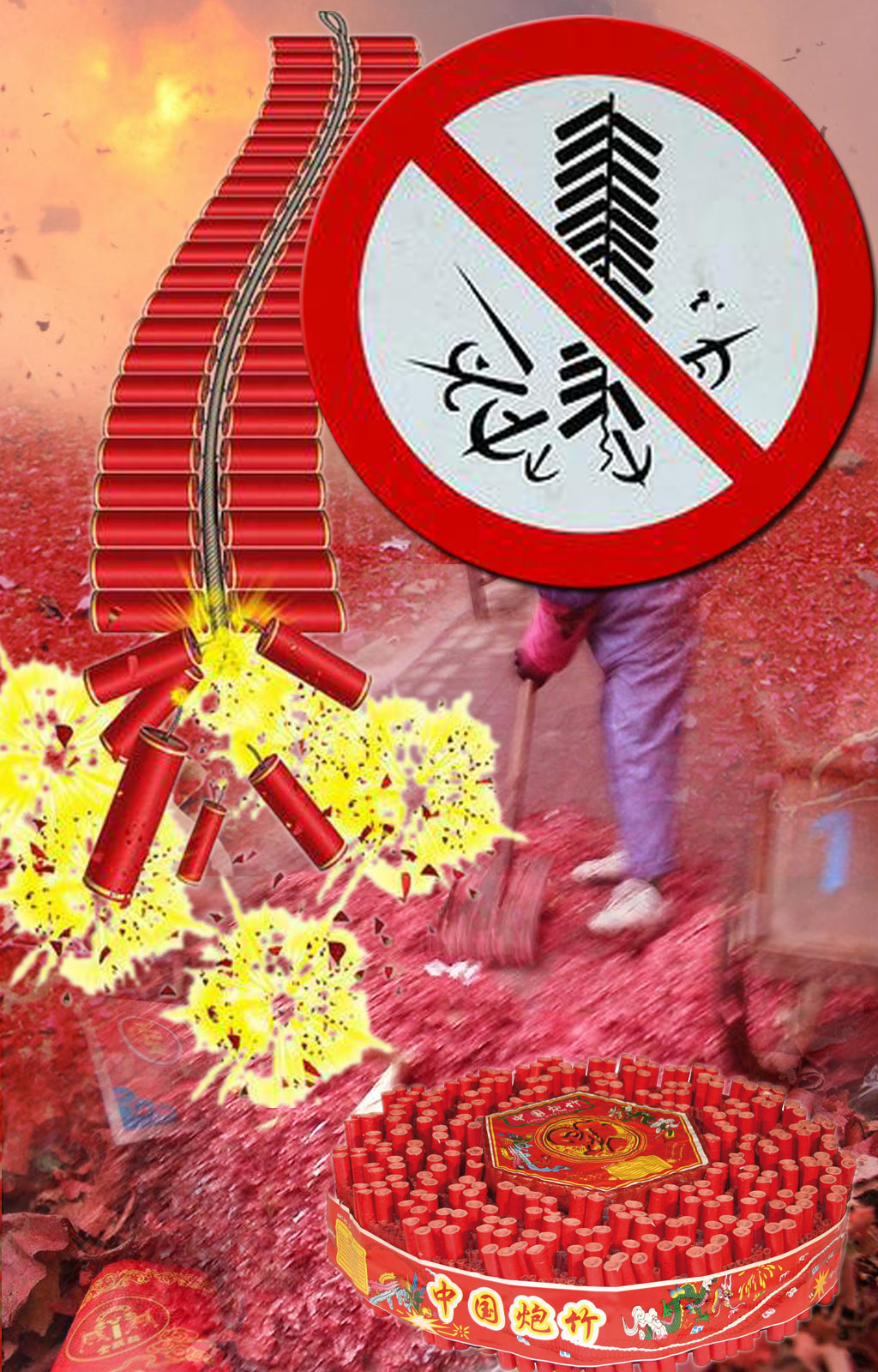
新的一年大爆炸的奢侈品是傳統的中國火藥的發明 (luxury of new year big bangs is the legacy of the invention of Chinese gunpowder)
The Netherlands is part of what can be called ‘the European war-exempted-zone’. Firework is a popular craze here from 10 in the morning December 31 to 2 at night January 1, to drive out the old year. 60 to 70 million Euro value of explosives goes up in the air, 200 to 300 eye operation as a result, 20 to 30 blind, hardly any dead. Many youngsters do test their ammunition before hand, especially near my house next top a night outgoing district. Most of the Dutch have no direct war or terrorism connotation when they here a big bang nearby in these last days of the year, though the Party for the Animals and Green Left have called for a total ban on private/personal firework use.

Firework sales for New Years Eve in the Netherlands in 1959 as I remember it as a boy counting all the pocket money I have saved and scanning the window of the only shop or so in town for my acquisitions. My parents knew the sound of real big bangs and my mother told me how she stand on the balcony of her house in The Hague and patting my back to make me not afraid of the bangs and billowing smoke at the horizon: the big mistake of a RAF bombardment hitting a civilian quarter (Bezuiden Hout) of The Hague right opposite the home of my grand mother. I was just a baby so can not remember it. I did play in the ruins - left for a decade or so - as a kid when staying with my grand mother... she did not appreciate much my rejoicing of "the ban bangs"...
Enjoying explosives is a real LUXURY as can be learned from the United Nations bulletin ‘ExplosiveWeapons.info’ published by the United Nations Disarmament Research Institute in Geneva. The “End of Year Explosive Violence Review” is summing it up: “Sadly, in over 70 countries, explosive weapons have caused severe harm to individuals and communities and furthered suffering by damaging vital infrastructure. But recognition is growing that the use of explosive weapons in places where civilians live, work or gather constitutes a serious humanitarian problem that needs to be addressed.”

See http://explosiveweapons.info/2011/12/29/end-of-year-explosive-violence-review/
Not only in the Netherlands, there are initiatives to come to a ban on firework as a citizen’s demand, in all parts of the world similar initiatives have been taken, Philippines, New Zealand, Great Britain, South Africa, Italy, the United States, which can be read about in detail on the web site of stop-fireworks.org, Some initiatives propose alternative forms of New Year celebration like in the USA to bang drums instead of firing explosives…
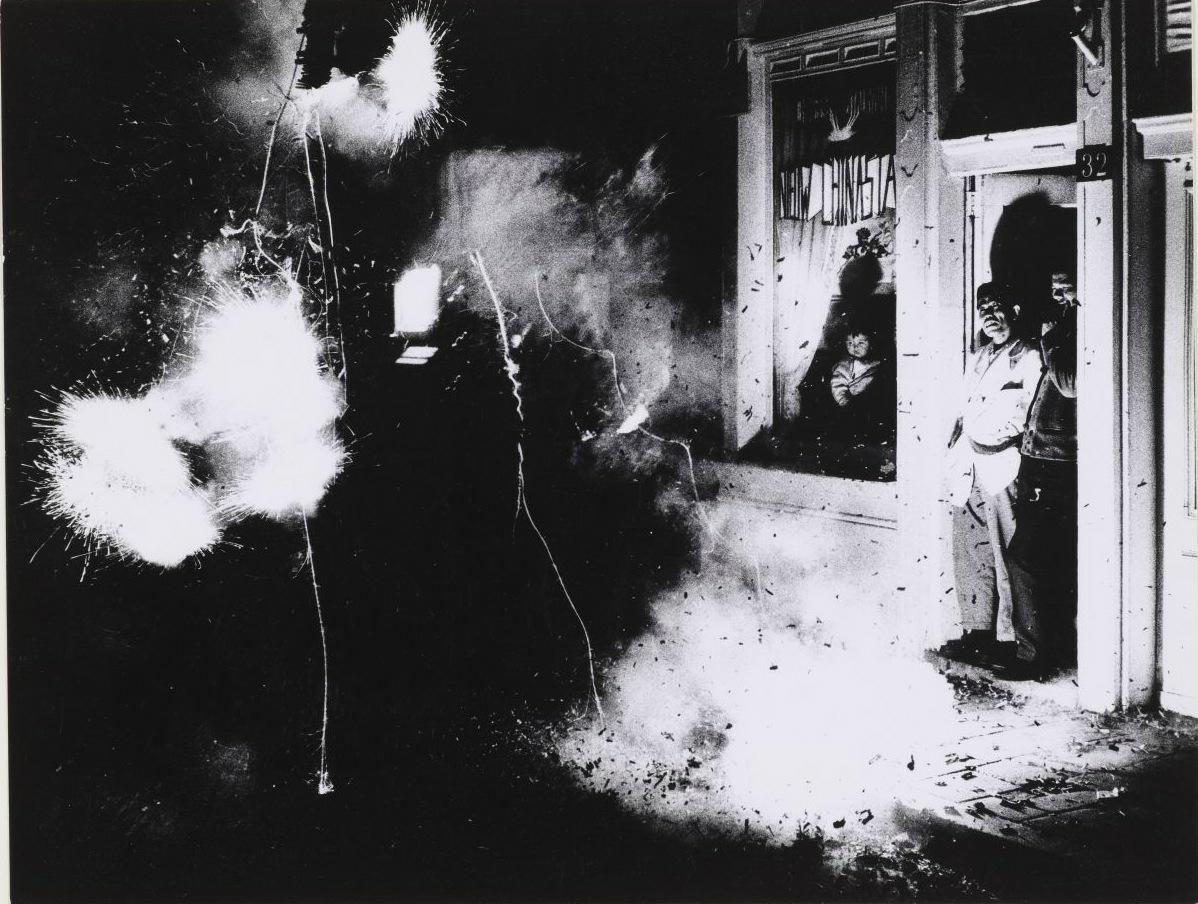
Fireworks in the Binnen Bantammerstraat part of the then still tiny Chinese Quarter of Amsterdam in the winter of 1971-72, a photograph by Koen Wessing (1942-2011).
When living in Amsterdam in the early seventies next to the small Chinese quarter, still growing at that time around the Binnen Bantammerstraat, there was always a big display of Chinese fireworks by the restaurant holders in that street on Western calendar New Years Eve. The Chinese had these long rolls of big firecrackers, one after another, we called them ‘pakora’s’, sometimes hung from the top of the house fronts or all along the street, twelve and more meter long. There was also the swaying around of firework on ropes within a dense circle in a crowd of people, the first ranks shrieking back each time a mass of glowing and sputtering ‘saltpeter’ passed their faces. The next morning the whole Chinese area looked like covered with a deep soft red carpet, with eager youngsters rummaging around to fire the ones that failed to explode during midnight. We had a squatted neighbourhood action centre straight next to this scene and always did throw new year midnight parties there. The photographer of this picture Koen Wessing was one of the supporters of our action group and it was only today I discovered this photograph by him, while doing a little research for this article.
The first part of this year I lived and worked for half a year in Hong Kong and on the first day of Chinese New year I was waiting for a massive popular display of fire work in my neighbourhood close to the popular district of Shek Kip Mei in Kowloon. To my surprise nothing happened at all, the only fireworks visible were the ones on the television set. The city panorama below my apartment – situated on a rock with a wide view – remained completely empty. It was only later I learned that all firework in the then Crown Colony of Hong Kong of the Brits had been forbidden in 1967, a year that almost saw a Cultural Revolution Rising in Hong Kong by local Maoists. Gunpowder of firework had been used in that turbulent year to make street bombs that would be exploded to raise the level of unrest in the city. That firework ban has remained in force ever since, with only some exceptions for the inhabitants of Hong Kong’s New territories villages during their special traditional spring and summer festivals.

A labour dispute at a factory making artificial plastic flowers in San Po Kong, Kowloon was the event triggering the 1967 Hong Kong rising; production output levels being raised for the same wage; breakdown hours of machines as non paid work time and so on...The picture taken May 11 1967 shows police forces firing tear gas grenades and wooden bullets at demonstrators assembling in front of the high rise factory building. Objects had been dropped on some police men before from the rooftops. A young boy later was beaten up and died.
When studying more of the history of the conflict in 1967 (“Hong Kong’s watershed: the 1967 riots” by Gary Ka-wai Cheung; 2009) I learned that some of those street bombs had warning signs on them (like “compatriots do not come close”) when planted, but the message was written in Chinese characters only. Most of these bombs were primitive home-made contraptions on the basis of gunpowder taken from firework stock (others used gunpowder used by fishermen). Firework bombs were most often thrown directly at colonial targets, mostly police stations and of the ones planted in the street many were fake bomb, just to “fire” social unrest. During almost a year 8352 suspected bombs had been planted of which only 1420 proved to be “genuine”, 1167 targeted the colonial police force, 253 were detonated in an uncontrolled way. The bombs hailed by the underground Maoist Communist Party of Hong Kong as a form of “People’s Warfare” could not fail to also hit ‘the people’ themselves and when in August 1967 a street bomb killed an eight year girl and a two year old boy, the public reaction backfired at the anti-colonial insurgents. An existing relative sympathy under broad layers of the population for the cause of these left wing revolutionaries fighting the colonial power, was progressively lost. The disruption of the daily life in the colony by the firework bombs -which were in a military sense minor weapons – had been significant. Hindering traffic and most of all having a psychological impact. At a certain moment during that year the British governor even worked secretly on a new emergency evacuation plan, for the non Chinese population, just in case. In the end it proved that the local underground Communist Party had for a great deal acted on their own and failed to generated the needed support from party authorities in Bejing. Mainland China was – at that time – too much in a political turmoil with lots of fractional infighting, to allow itself to take the small Colony of Hong Kong by force. Neo-colonial Hong Kong, “the goose with the golden eggs” was of more importance to the Mainland China than a banking, manufacturing and trading centre, which would certainly collapse after a forceful take-over.
Till this very day, the firework bombs remain a legacy associated with the Communist Party of Hong Kong, that, though not formally part of the restraint political landscape of Hong Kong (see “Underground front: the Chinese Communist Party in Hong Kong” by Christine Loh; 2010), is the central force of power in what is now The ‘Special Administrative Region of China Hong Kong’ (SAR Hong Kong). The highest governmental functions in SAR Hong Kong are reserved for (secret) Communist Party members only. As the history of this central core of Hong Kong power remains covered in secretive haze, debatable events in its history remain a subject which is mostly avoided. Who – for instance – visits the Hong Kong Historical Museum will find just one or two photographs of the 1967 struggle with a superficial caption. In popular memory though, the firework bombs and the effects of some indiscriminate targeting of the primitive firework bombs from 1967, lingers on.

A painted silk flag from the 10th century in China showing gunpowder used as a weapon on the end of a sort of spear gun.
Saltpeter (potassium nitrate) is a substance that forms through the decomposition of organic materials, a whitish salt like material since long known for its quality of burning fiercely even in non favourite circumstances for fire. We know that Taoist alchemists in China were experimenting with it already in the 8th century in their quest for life prolonging elixirs. While trying out all kind of combinations of substances and materials, they discovered the explosive properties of mixing saltpeter with sulphur and charcoal. The mix we call now in English ‘gunpowder’ (‘buskruit’ in Dutch *). Aside from try-outs to swallow small quantities as a medicine, the aesthetic and ceremonial qualities of the substance were discovered and all kind of ways to fire it for spectacular display were developed. Spring, Autumn and New Year festivals with their staged dances of mythical animals like dragons and lions, were amplified with display of fireworks. Bamboo tubes were used at first, which lead also to experiments to use the explosive mix for war purposes. First devices were spears with at the end bamboo tubes filled with gunpowder that were directed at an enemy during a battle. Soon more elaborate war use was found by finding out the propulsive qualities of certain mixes that could drive out one or more arrows from wooden containers. Closing up such bamboo containers would give yet another effect of bursting wood fibre and so also what we call now a grenade, has been invented over one thousand years ago.
Healing, celebration and warfare all used the same substance: gunpowder. Moments of celebration punctuated by explosions, but also new powerful bangs of explosions on the battlefield, which before was less loud with just clanging of lances, swords, shields and the shouts of warriors. Up to this very day the awe of a big bang may be just a carrier of celebration, but once someone has witnessed an explosion as a part of an act of terrorism or war, the aesthetic appreciation of a firework spectacle may be lost – for her or him – forever.
——-
* Etymology of the Dutch word for ‘gunpowder’:
buskruit zn. ‘explosief poeder’
Mnl. bussen cruyt ‘buskruit’ [1441; Van der Meulen 1942a], busskruit ‘id.’ [1481-83; MNW bussecloot], met daarnaast vormen als donderbuspoeder [ca. 1400-50; MNW stampen], donderbuscruut, dondercruut [MNHW].
Het eerste lid is mnl. busse ‘(kamer in een) vuurwapen, vuurroer’, zie → bus 1; het tweede lid is mnl. cruyt ‘(tover)kruid’, zie → kruid, → kruit.
Buskruit werd in Europa vanaf de 14e eeuw gebruikt.
Posted in The downside of leisure industry, war crimes | Tagged ban fireworks, Explosive Weapons Campaign UN, firework ban, gunpowder history, New Year celebration The Netherlands, new year firework, vuurwerkverbod, war reminiscences, war trauma, 中國火藥 | Leave a Comment »

The day after Christmas is called ‘Boxing Day’ which was traditionally the day that the better off classes in England would give a box with some gift to their underpaid servants to soothe their class-guilt. Since long this has been diverted into a big shopping sales day for the masses. This year the London subway servants choose to strike on this popular outing day, but as double decker busses remained in service the eager crowds could storm the shops nevertheless. One wonders if not most of the goods with a lowered price have a ‘Made in China’ stamp on it, and when a new kind of ‘Boxer Rising’ will occur to put an end to the exploitive working conditions in China and other low wage countries that are flocking our discount stores and stalls with their products.
The text is taken ‘out of context’ from Deuteronomy 7:16—– It is the shift of the word ‘consume’ over time this tableau is about: “And thou shalt consume all the people which the LORD thy God shall deliver thee; thine eye shall have no pity upon them: neither shalt thou serve their gods; for that [will be] a snare unto thee. – 1769 Oxford King James Bible ‘Authorized Version” …
…or in the Basic English Bible translation made better understandable for us now: “And you are to send destruction on all the peoples which the Lord your God gives into your hands; have no pity on them, and do not give worship to their gods; for that will be a cause of sin to you.”
Posted in Consumerism | Tagged Boxing Day Sales, Deuteronomy, Made in China goods based on exploitation, shift of meaning of the word 'consume' | Leave a Comment »

Summary Execution 2012 – 1968.. long distance versus close range killing on the spot without any trial… are we as shocked by the killing drones of today as back in time during the Vietnam War, with the Chief of the South Vietnam Police General Nguyen Ngoc Loan executing a handcuffed Vietcong prisoner, Nguyen Van Lem in the street in Saigon in front of an NBC camera man and an Associated Press photographer?
Is high tech killing of a whole area, building or car with “precise” rockets experienced as somewhat more acceptable than a close range shot in the head?
Tableau made after reading in The Guardian yet another story of the use of drones to kill adversaries without any form of trial: “William Hague questioned over British role in drone strikes” (Lawyers for Noor Khan, whose father died in Pakistan strike, want clarification of British intelligence’s role in CIA campaign).
There has been much debate in its time about the picture – I know – Eddie Adams (the photographer in 1968) later wrote in Time:
… such discussions we still have today, think about the execution of Bin Laden without trial, or do we believe he felt in combat?
(See my article “NATO’s collateral tyrannicide” 7 May 2011 in OpenDemocracy.)
Human Right Watch has a recent report and statement on drones dated December 19th. 2011.
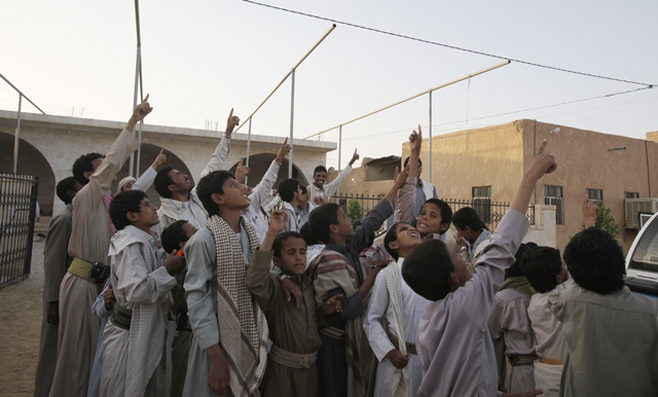
Members of the Abida tribe point to a drone aircraft flying over Wadi Abida, Yemen on October 13, 2010. (click on picture to go to Human Right Watch drone page)
Posted in war crimes | Tagged Afghan War, drones, long distance killing, summary killing, Vietnam War | 1 Comment »

recent 'détournment' of TNT advertisement campaign
Modern times: the last remaining real post office in the town centre of Amsterdam, based in the combined building of Municipal Hall and Opera (Stopera in the local Amsterdams-language) has been closed down without warning a month or two ago. The state postal firm has had many name and organisation changes in the previous years and is called TNT now.
What we did get in the place of a full post office with 10 counters, was 1 M2 of shop desk space in the big super-market shop of Albert Heijn in the same area. This shop is open each day from 10 to 22 hours, not so their Postal Office desk. Last saturday we needed to buy stamps to send an enveloppe with a signed document. Postal Desk closed. On monday (today) we tried again. Postal Desk closed!! The scale to weight letters did not work so the “whole post office” was closed down. This comes in the same week that the government changed the Postal Law, allowing for less than each day of the week delivery of letters. So NO postal delivery on mondays. Now, in practice in our part of the Inner town there was NO delivery on monday mostly anyhow, anymore for years….

I hate AH blog, click image for link
It is in this process I discovered a web blog “I hate Albert Heijn” protesting against the monopoly of that foodshop chain in the Netherlands which is a killing machine for any small local shopkeeper. I just see that there also is a campaign I hate TNT the name multinational that is specialised in killing off postal systems in EEC countries… formerly PTT (Post Telegraaf Telefoon, Royal of course), then it has been chopped up into so many names and firms that most of us Dutch have no idea anymore how the service is called: PTT, KPN, TPG, TNT, POST.NL … the royal crown on the logo remained the only constant.

Three decades of splitting up the state postal company as expressed in logos...
That is what Royal means today in the Netherlands: more expensive, less jobs and less service.

Koninklijke Ahold = Royal Ahold, the international holding company of Albert Heijn.
Albert Heijn the food super-market company – shortened as AH in Dutch – also has a Royal status, for decades already … so it comes as no surprise that a simple job like weighting a letter and selling the correct postal stamps is a service they fail to supply on a daily basis.
Posted in Automation and decline of the social realm | Tagged AH, Albert Heijn super-market, KPN, PTT, TGP, the end of postal services, TNT | Leave a Comment »
For those running into the same problem…
The script is:
tell application “FileMaker Pro Advanced”
activate
delay 3
end tell
tell application “FileMaker Pro Advanced”
open “IMP43:IMP32:AMS:AMStabl:AMSrota.fp7”
end tell
Mac OS X: Error message when launching a FileMaker file via drag and drop or double clicking a database
It answers the question:
“Why do I get the error message “The document “<file name>” could not be opened. FileMaker Pro cannot open files in the “FileMaker Document” format” when launching FileMaker Pro? ”
Filemaker must be opened first as an application… the delay of so many seconds is needed because when the next command to open a specific file is executed directly an error occurs… why is explained in the link I give here
In all it certainly is a bug in Filemaker Pro 11 (Advanced).
I made the Applescript into an application which I put in my Dock and now I can start up Filemaker with the proper database and the needed scripts at start up included in that database (giving my serial number for a plug-in I use for instance).
Posted in Filemaker pro | Tagged Applescript, filemaker help, start-up script Filemaker Pro 11 | Leave a Comment »
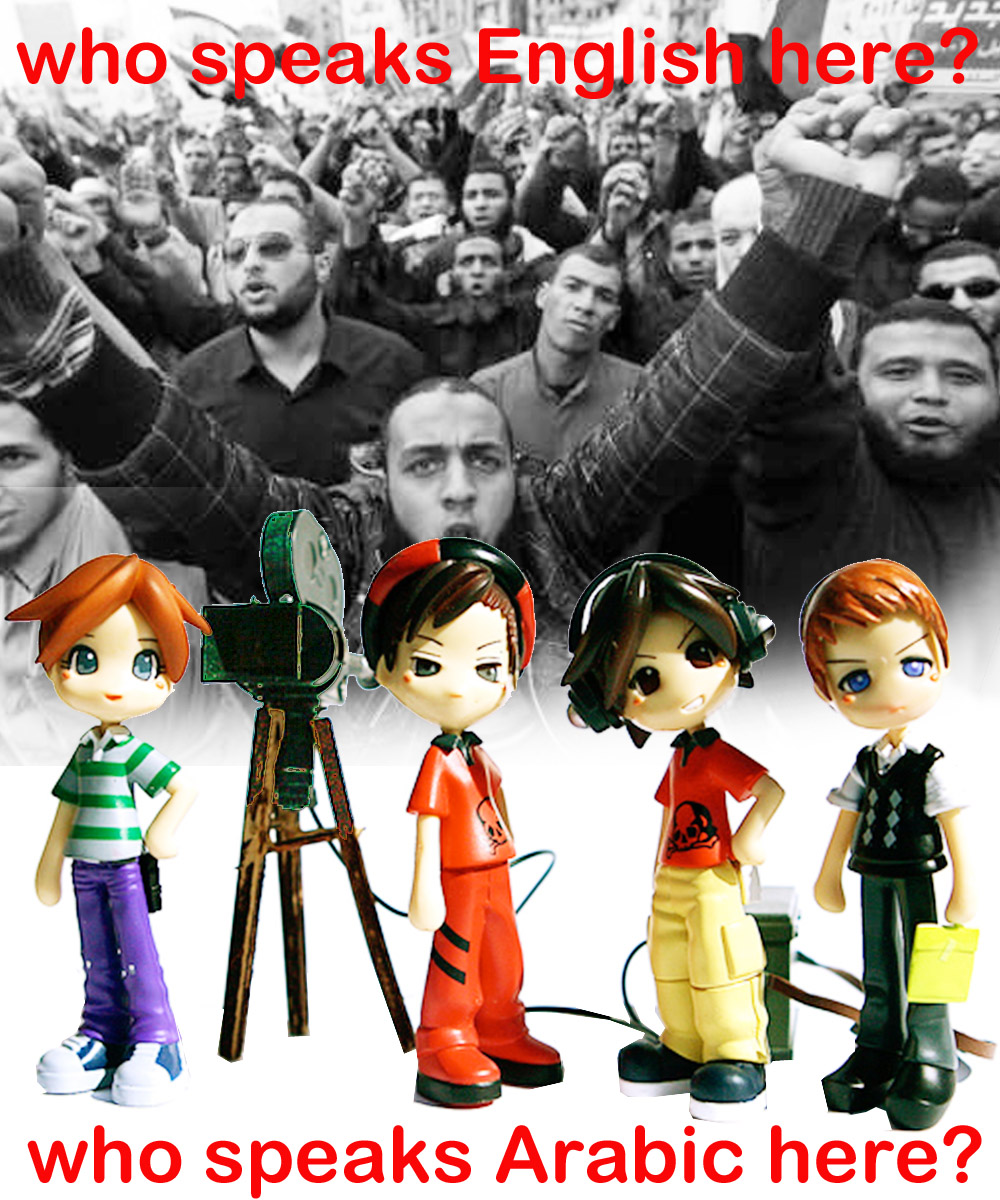
WORLD NEWS ON THE CHEAP like yesterday a Dutch crew of the television news (NOS/NTR Nieuwsuur) in Egypt doing ‘street interviews’ and proving that the support for the Egypt Revolution is faltering with two third of those interviewed speaking some form of English and only one or two questions posed in Arabic, whereby it remains unclear who is posing the question.
Gone are the days of a correspondent in Cairo for the Arab world, gone are the days of at least having a journalist speaking Arabic being part of a crew, gone is any historical knowledge on the part of the journalists, at best a quick check of Wikipedia before leaving or in the hotel room…. as a multi-cultural nation it is a shame that the Netherlands have not been able to train and recruit a group of say Moroccan young students to become journalists for events in the Arabic world….
“Who speaks English here?” asks the camera crew on Tahrir Square in Cairo untill they bump into a man that does not like the way they are filming… and when people on the street might return the question to them (hal tatakallam al-lughah al-‘arabīyah?) هل تتكلم اللغة العربية؟, the Dutch journalists of the crew fail to understand.
There seems to have been a translator with the crew, but the position of the translator remains unclear. The tiny bit of Arabic we hear spoken from the side of the crew seems clumsy, was it a Dutch Arabic speaker or a locally rented service. If the last thing is the case, how much embedded is this translator in the Egyptian state media, how does the translator relates to the political spectrum of Egypt, how were the choices of who to speak to made?
The clumsiness of the reportage is at times embarrassing, but fully in line with the cheap glamour of the Nieuwsuur television studio in the Netherlands and the anchor woman waving her hairs while posing question to the crew in Cairo to enlighten the Dutch audience.

Nieuwsuur (NOS/NTR) reporter Jan Eikelboom explains how he found out that the Egyptian revolution is faltering on the basis of "hear say" from the streets, speaking with shopkeepers in the bazars, tourist entrepreneurs and a man at the Cairo stock exchange, they outcome of these talks are of course fully predictable, as all these people see their business frustrated by the social unrest. Shopkeepers, tourist workers and a broker can of course not stand as a representative group for Egyptian society as a whole... but the Dutch crew clearly had no access to other social layers.

(19':50'') Dutch captions for a tourist entrepreneur in Giza interviewed in English: "I do not know what those people want. It is not good for us, we are working with tourists"

(20':38'') Dutch captions for an interview in English. "On the square they say: We want peace." Actually the reporter says not 'peace' but 'freedom'... sloppy translator there, at the NOS/NTR... The over-generalized question may have been posed in English by Jan Eikelboom and the answer is as general as the question: "...freedom will come, but slowly."
========
Source = http://beta.uitzendinggemist.nl/afleveringen/1116886
Posted in Africa, Middle East | Tagged ahistorical journalism, journalism, language barriers, NOS Journaal, street interviews, television news | Leave a Comment »
11 November 2011 ~ 11 November 1911, today is the centennial of one hundred years of aerial bombing, the first example being the bombing of Turkish troops by Italian airplanes during the Italo-Turkish War in Libya in 1911. Some grenades hand held, dropped onto troops below. Aerial bombing is in fact incorrect as the launching of airborne missiles date back much further in time. Balloons have for instance been used by the Austrians when they beleaguered Venice in 1849 using unmanned balloons filled with explosives that could be triggered by electro-contacts using long wires (the idea of drones which are used in a more advanced way nowadays is born here). So today it is the centenary of airborne attacks by humans launching explosives from flying contraptions. The idea of airborne attack goes back into mythical times, though.
Seven years ago I made two visual scrolls telling the long story of aerial bombardment. The thunderbolts of Zeus thrown down from the Olympus, the ‘vajras’ of the Hindi Lord of Heaven and the God of War, Indra, the apocalyptical revelations of St John (“the stars of heaven fell unto the earth”), imagery of winged angels with revenging swords to punish earthly sinners, all these mythical tales and images of cruel gods and other divine beings, have later been translated into human warfare technology.

Primordial air power, a fragment of scroll 1
There are also ample examples of plans for warfare from above: – many made during the Napoleontic campaigns against England, with whole armies transported on gigantic ‘Montgonfliers’; – 17th century Italian priest and inventor Lana Terzi who designed an airship for war; – the Chinese – far before that – with all kind of launched flying devices that delivered fire into beleaguered cities; – huge kites that have been part of warfare from the Chinese and Japanese to Europeans, and in 1886 Jules Verne, who describes in one of his futuristic books the flying ship Albatros shooting down rebellious indigenous people in Africa…. All this and more can be seen in these two scrolls…

fragment of scroll one: "Primordial air power and God's judgement"
The second scroll depicts and describes the terrifying results of the advancement of the technology of destruction from the air, from a support of ground troops on battlefields during World War I to making whole cities into battlefields, changing the target from soldiers to civilians. The application of the theories of the Italian general Douhet with his 1921 publication “Il domino dell’area” (Domination from the air) where the ‘will of a nation’ is that what needs to be attacked, its civilian and cultural centers, this in order to cut war short, ideally just the threat of aerial bombing or hitting some example target would be enough for a nation to give up any resistance to another nation having superior air power. A doctrine that is exemplified on up to this very day by the United States Air Force. The devastation wrought over decades is immeasurable: by Italian air power in Ethiopia, Japanese airpower in China, German air force, starting in Spain and continuing over Poland, Yugoslavia, Netherlands, Great Britain, France and so on; early use of ‘air force’ to police “rebellious natives” from Sudan and Mesopotamia to Afghanistan by the Brits and later Anglo-American joint operations over the whole of Nazi occupied Europe, pioneering ‘terror bombings’ of vast cities, torching most of Germany’s cities, with only a few cases remembered: Hamburg, Berlin, Dresden. Arson from the air again in Japan by the American Air Force, generating possibly more victims during the fire bombing of Tokyo (estimates run from 80 to 160.000 dead), than the two atom-bombs that closed the curtains of the World War Theatre II on Hiroshima (estimates from 80.000to 160.000) and Nagasaki (60.000/180.000).
In 1995 I started to make a database of victims of aerial bombing and in 2003 a preliminary first overview has been put on line in PDF format. The real list is still in the making. My first research dating back to 1999 used a system of lowest, highest and most probable estimates of death toll from aerial war, resulted in a total of over one million of death and the devastation and erasure of over one thousand square kilometers of townscapes, …human habitat. This leaves out the rural bombardments during the wars fought in Korea and Indochina, the mining of land, the defoliation and poisening of forests, the breaking of dikes to inundate agricultural land. 
Especially the Indochina Wars have resulted in widespread criticism of indiscriminate forms of aerial war fare, something the staffs of air forces and the weapon industry have been taken to heart in the last decades, resulting in endless propaganda representations of new “clean” and “precise” forms of force from the air. Precision bombardments are presented as ‘humanitarian’ having taken the place of primitive wholesale ‘carpet bombing’. Guided missiles do come to us with guided press campaigns to cover up what has widely come to be known as ‘collateral damage’, attempts at control of targeting goes together with control of news agencies with the ultimate military control instrument of the ’embedded journalist’, who signs away his/her independence for the comfortable war-spectacle offered by the military staff.
This text, meant as a short reminder, will expand beyond its boundaries when I would go in any further detail on the use of aerial power in the last three decades, Gulf Wars, Balkan Wars, Russian air force obliteration of the capital of Chechnya Grozny, Turkish raids into Kurdish rebellious areas, Sudanese civil war bombardments, Sri Lanka government attacks on Tamil strongholds, Israeli high tech bombings of Lebanon and Gaza in response to low tech rockets fired at Israel, and the continuing military test ground of Afghanistan having been battered from 1925 to this very day by the air forces of the British, the Soviets, American Air Force and NATO.Last Syria and Iran in the waiting room after ‘imperial’ aerial employments in Libya earlier this year.
We are one century from the moment that a grenade was dropped by hand from an Italian airplane circling over an oasis in the Libyan desert onto the heads of a few Ottoman soldiers. The Italian colonization of Libya that followed the break down of the Ottoman empire – at that time – created the circumstances that lead one century later to renewed usage of aerial power to force ou yet another reign, that of Gaddafi and his Green revolution. We may have progressed in technical sense a lo tin one hundred years, but politically speaking we have not yet freed ourselves of a system of crude imposture of imperial military power.
—————–
Scroll 1 = http://imaginarymuseum.org/OpenSKOR/UBWa.html
Scroll 2 = http://imaginarymuseum.org/OpenSKOR/UBWb.html
Context of scrolls = http://imaginarymuseum.org/OpenSKOR/index.html
Unbombing the world 1911-2011 project = http://imaginarymuseum.org/UBW/ubw01a.html
Posted in Uncategorized | Tagged aerial bombardments, Centennial of Aerial Warfare 1911-2011 | Leave a Comment »

Received from an editor a file through YouSendIt today and I was confronted again with the aggressive SPAMMER tactics of this enterprise… Now they suggest you to NOT download anymore but keep files available on-line… “free” it says… but filling in their “free” form means being exposed to endless SPAM messages of their only so many days options. Now the classic download is almost hidden and sometimes the clickable download button does NOT work anymore… though savvy as I am, I use a Control Click which gives me a classic download.

the screen with the non designed download button that often does not respond
It is a shame, a service that is so aggressive and misleads its customers. I prefer the free low key service of wetransfer.com (up top 2 Gigabyte files, multiple files automatically zipped, no spam – until now) that shows only big advertisement pictures during up or download.
Posted in Connectivity | Tagged file upload services, WeTransfer file upload service, YouSendIt spammer service | Leave a Comment »
Grotesque and hypocrite the new Libyan Government statement on the persecution of the alleged killers of Gaddafi. Stating that these could not have been regular opposition groups and that the new government knows the rules of war… and taking prisoners.
“With regards to Qaddafi, we do not wait for anybody to tell us,” NTC vice chairman Abdel Hafiz Ghoga.
“We had already launched an investigation. We have issued a code of ethics in handling of prisoners of war. I am sure that was an individual act and not an act of revolutionaries or the national army,” the top interim official said.
“Whoever is responsible for that (Qaddafi’s killing) will be judged and given a fair trial.”
What a lie, as both NATO and the insurgents – that became the army of the new Libyan government – have thrown tons of munition on any spot they thought Gaddafi would be at a certain moment. A fair trial of Gaddafi has never been on the agenda of neither NATO nor the insurgents, who became the new government. Only the International Criminal Court in The Hague lent itself to suggest that such a trial was a viable option, never protesting in public against the repeated attempted killing of their indicted trial candidates, Gaddafi and his close circle.

Photograph published in The Independent 2011/07/24 with this caption: "Nato planes bomb a Gaddafi compound in Tripoli last month. Air strikes by allied forces have become increasingly ineffective"
NATO and insurgents were out to kill all those months, but failed in spite of all the high tech devices put to the task. Now a few hot heads – which are necessarily part of any insurrectionist forces – finished Gaddafi’s life by hand, and they will be made into culprits, to wash the virtual bloody hands of NATO and the new government.
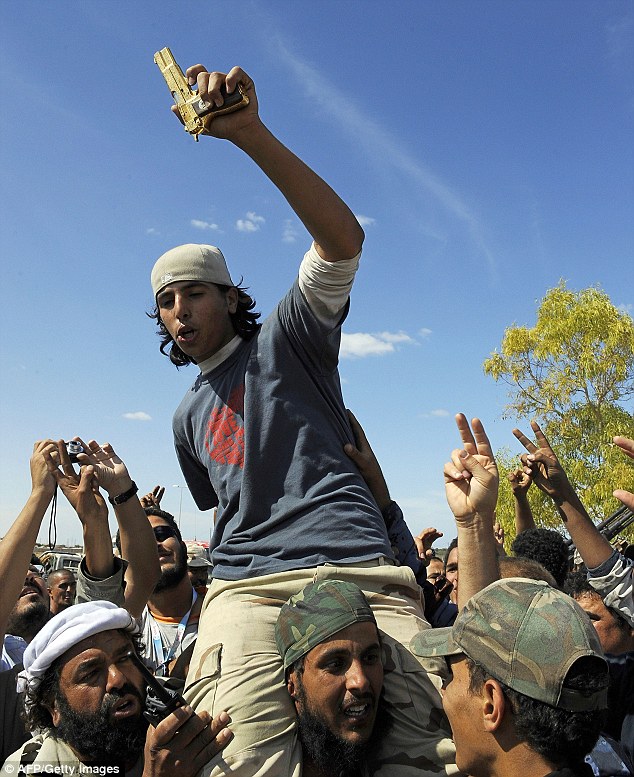
Photograph published on the web site of the Daily Mail 2011/10/21 with the following caption: "Celebration: Rebel fighters carry a young man holding what they claim to be the gold-plated gun of Colonel Gaddafi which was taken from him."
It is sad that such distortions of reality are published in the international press without any direct rebuttal.
Gaddafi should have been put on trial. His murder will hamper any attempt to cleanse Libya of decades of dictatorship.
It is most disturbing to notice that – apparently – distant killing by regular armies using state of the art guided missiles airplanes with remote sensing, and the like, is not conceived as murder and somehow a civil way of getting rid of an adversary, whereas traditional lynching on the spot or firing a gun at a victim at close range is perceived as a barbaric act that can be classified as a crime of war or murder.
—-
Two additional sources that give details on other summary executions of pro-Gaddafi forces in the same town of Sirte, less in the picture than the person of Gaddafi:
– Media Lens: “Killing Gaddafi” 2011/10/27
– Human Right Watch report on Libya: “Apparent Execution of 53 Gaddafi Supporters” 2011/10/24
Posted in Africa, Colonial history, Justice, Revolts | Tagged aerial war, definitions ofmurder, International Criminal Cour, long distance killing, lynching, The Hague | Leave a Comment »
How anybody can protect civilians by throwing bombs from the air? When we find the sight of the mutilated body of Gaddafi on show in a freezer of a butcher store appalling, what about the multiplication of the principle – now in Libya – on the backstage of global news? Which accounts are settled in the shadow? Who gets hold of whom for what, in a situation without rule of law? What has been the example given by the Alliance forces dropping explosives from the air, not bringing members of the contested regime to justice, but to punish them on the spot by attempted annihilation?
When it is true that a fleeing or escaping convoy of Gaddafi has been attacked by NATO airplanes with their deadly load just outside of Sirte, why to muddle about the subsequent lynching that seems to have taken place? NATO tried to lynch from the air, long distance and ‘high tech’, opposition forces finished the job by hand on the ground.
Who will hold out her or his phone camera to document the revenge between civilians triggered by such examples, raging now in Libya?
It is sufficient to have read the recent report of Amnesty International “LIBYA: THE BATTLE FOR LIBYA: KILLINGS, DISAPPEARANCES AND TORTURE” published on September 13. 2011, to know that the perpetration of violence was/is not only a monopoly of the Gaddafi regime in Libya, but has entered the veins and bloodstream of this society.

"Muammar Gaddafi's 'trophy' body on show in Misrata meat store Libyans queue to see dictator's body as wounds appear to confirm he was killed in cold blood" (The Guardian October 22, 2011)
These are the days of the ‘little axes’, in so many hands, falling down on so many heads… How dare heads of state – like Sarkozy – speak through broadcasts to the Libyan people, “Its time now for reconciliation” , whereas those that need to be reconciled have been left behind with a collapsed state and hardly any governmental or citizen’s networks to undertake such a huge task of building a civil society and reconcile?
Many millions have been wasted on advanced technological military exercises. Nobody wanted to invest in diplomatic and civil campaigns to bring about regime change.
The nazi regime lasted a mere twelve years and ‘de-nazification’ several decades. We Europeans have not been able to stop the wild enforced regime change by an outsider high technology military force. NATO has been send in, paid by our tax money. What has been sold to us by Aljazeera and the like as a ‘people’s revolution’ may in the end well have mutated into a ‘coup d’état’ where the top have been toppled, but the echelons just below it remain in control.
Who then will be responsible for the ‘de-gaddafization’ of Libya?
This is certainly not a task for generals and their milieu of the military industrial-complex, it is not something NATO is good at and still we Europeans lay the solving of humanitarian crisis in the hands of the military allowing the derivation from ‘problem solving’ into ‘problem making’. It is sad that in times where ‘development aid’ and ‘humanitarian aid’ is discredited by many politicians, and scratched off the budget in many EEC countries, that military investments in missions like the one in Libya are well supported by the same representatives, we all have voted into our parliaments. There are even – recently – several examples of military missions paid for by budgets earmarked for development aid.
Don’t we need new institutions, or at least a radical reformatting of the tasks of big organisations like NATO to try out other methods of human protection and appeasement?
Posted in Justice, Revolts, war crimes | Tagged civil war, coup d'´etat, de-gaddafization, de-nazification, human rights, reconciliation, revenge | Leave a Comment »
Some side images of the killing of Gaddafi near Sirte, of the alleged bombing by NATO of a retreating/escaping convoy of Gaddafi (*), reminded me of the Highway Of Death in Kuwait in 1991, the bombarding of retreating Iraqi troops… a massacre not only of soldiers and their equipment but also of civilians related to the Iraqis that tried to make their way out of Kuwait City. Kicking your adversary in the ass… there is a ‘virtual black book of military history’ to which a page seems to have been added by NATO. Do you let your enemy escape or will you destroy him? What are the long lasting effects of such non glorious military acts of revenge on an enemy that has lost or is about to loose. Is there art in ‘the bombing of retreating troops’?
The pictures I choose are not the most gruesome that exist. The Kuwait highway bombing photographs include charcoaled faces of people burnt alive by the aerial strike, images that have burnt themselves in my memory as a reminder that ‘the art of surrender’ is a much more noble art that should be exercised by the troops of our European nations. We need a civilian campaign on how war is conducted.
There is not enough public scrutiny on NATO military strategies. The critical level of reporting in the news of war events remains often 19th century imperial, rejoicing in what is thought to be ‘a victory for the good of the human race’. The NATO involvement in this last phase of the Libyan war seems to be completely out of line with their mandate based on the UN resolution that asks to bring to court the Libyan head of state Gaddafi, not to kill him or have him killed without a trial.
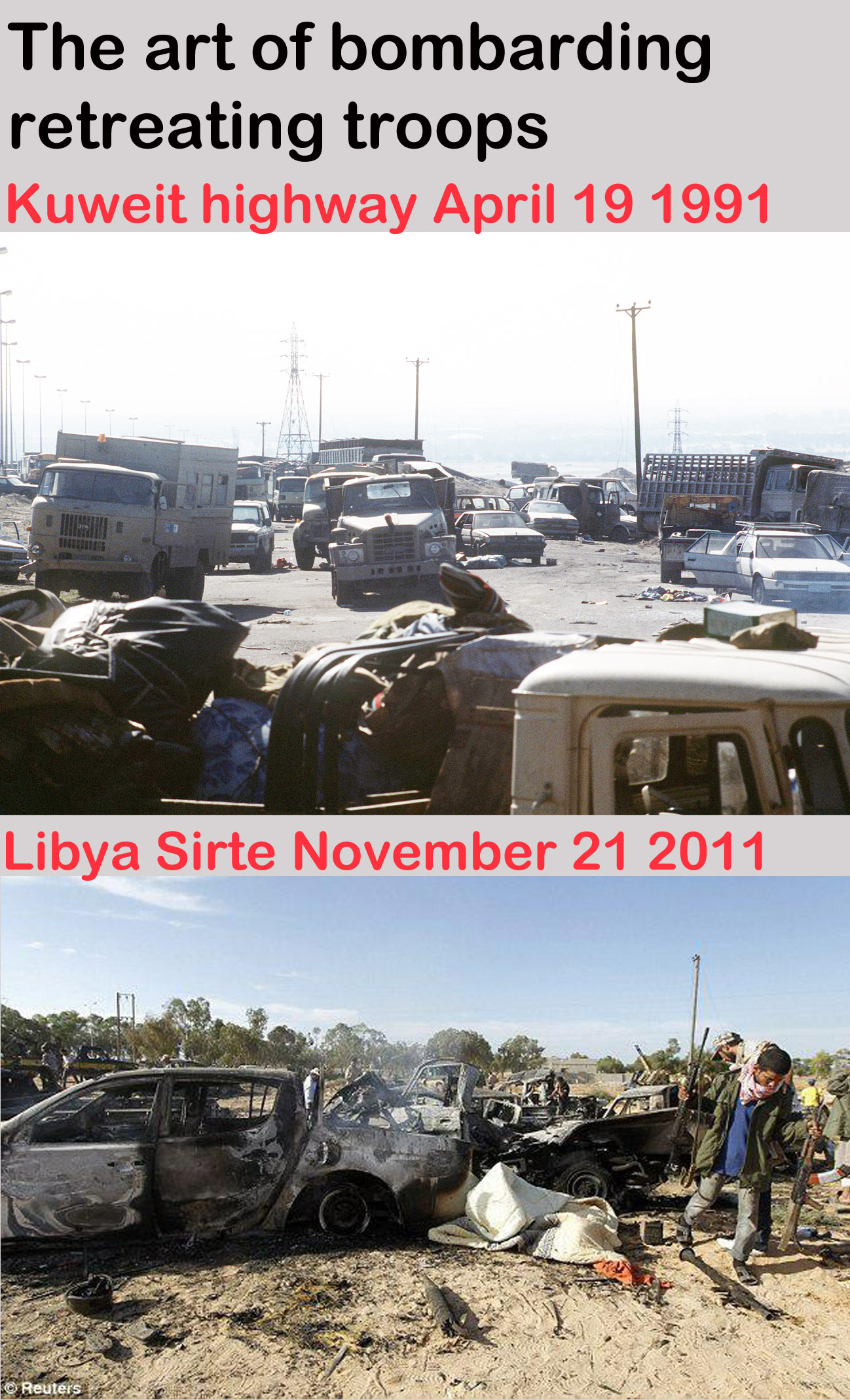
Let me give one example of historical back firing: the massacre of the retreating Croatian troops of the fascist regime of Ante Pavelic in May 1945, near the town of Bleiburg at the Slovenian/Austrian border by partisan troops (40/50.000 killed). This negative event has remained a rallying point for Croatian nationalist ever since and played its nasty role in the much later enfolding new Balkan War at the end of the 20th century..
—
*) Mail on-line gruesome photographs, scroll down the page for the vehicles bombed out by NATO photograph
Posted in Africa, Middle East, war crimes | Tagged Bleiburg Massacre May 1945, Highway of Death, Kuwait April 1991, Sirte NATO attack on Gaddafi convoy October 2011 | 1 Comment »
A dictator is never alone. A dictator is a system whereby one man or woman is the figurehead with whole strata of society deriving their social position and wealth from their participation in a system of rule both headed and symbolised by a specific ruler. Removing just the figurehead and his or her direct entourage does not cleanse a nation of its dictatorial past. With a figurehead removed in a spectacular way, entrenched deeper layers of a system of dictatorship tend to remain largely intact. Summary execution – which may have happened today to Gaddafi by unruly troops of the new power – bypasses any attempt at reestablishing a just society.
Trying a dictator in court may help to lay bare the social strata that have been keeping a dictatorship in place. The dictator and his entourage may defend themselves and point to others who were part of their rule and may now pose as liberators. The defence of a dictator in court may also expose all forms of international support for a regime by countries, parties and other leaders who may only recently have turned against a dictator whereas before they were supporting a totalitarian system in economic, military and diplomatic ways.
The killing of Gaddafi without any form of justice serves many interests: many members of the new Libyan government involved in Gaddafi’s regime; Libyan businessmen that derive their wealth from dealing with the Gaddafi rule; political leaders both retired and active who have received Libyan support or did make economic deals; academics, intellectuals, artists, architects and so on that did get Gaddafi’s financial support or who performed for him. The killing has been tried by NATO many times in the last months, throwing tons of bombs on Gaddafi’s premises and saying that they were not targeting the leader as such. Now we will have to wait to see if sufficient details of the circumstances of the violent death of Gaddafi will come out to establish at least some form of truth of what has happened today.
Those who dance in the streets to rejoice the violent death of a dictator may well be the recruiting force for the next totalitarian regime in the making.

====
written Thursday October 20th 2011
See also these related articles from previous months on Libya, Gaddafi and international law:
– 2011/05/02 NATO’s Collateral Tyrannicide: will it bring Justice and Peace?
– 2022/05/16 Yet another telephone call from Libya to The Hague…
– 2011/05/26 2006 Saddam ~ 2008 Karadzic ~ 2011 Mladic captured alive: what about Gaddafi?
– 2011/05/28 G20 2011 dinner: dessert from the desert: a Libyan Oil Cocktail
– 2011/07/23 The disembodied Leviathan of Libya
– 2011/08/02 Emblem for the International Criminal Court: Iustitiae Languor
– 2011/08/21 What will be the last view of Gaddafi of this world?
Posted in Africa, End of voluntary servitude, international justice, Is everything propaganda then?, Justice | Tagged dictatorship, Killing of Gaddafi 20 October 2011, summary execution | Leave a Comment »

Nijntje/Miffy may sniff cocaine and be a terrorist has said a Dutch judge today in a courtcase where the creator of ‘Nijntje het copyright konijntje’ (Miffy the copyright rabbit) Dick Bruna (1927 -) had asked the court to forbid several Nijntje impersonations on the web. Dirk Bruna – for decades – is the Dutch champion and pioneer of licensing and royalties, censoring whatever urban culture derivation of his creation. Thus he has for long become the terminator of the offspring of his own drawing board creation, or, was it the late designer and founder of the merciless copyright exploitation bureau Mercis B.V., Pieter Brattinga (1931 – 2004) that has aborted most of the unwanted progeny of this imaginary rabbit? Pencil and eraser are often held in one hand.
You can find the full text of the court decision on-line in PDF format (in Dutch) on this link. After the formal pages of this court case that has been dragging on since January 2010, there is a very instructive discourse on ‘auteursrecht’ (author rights), ‘merkrecht’ (trade mark rights) en ‘persoonijkheidsrechten’ (moral rights). Three levels of complaints ranging from the commercial to the moral have been scrutinised by the judges. The defence of the internet provider claiming that the exception in author law that allows for parody, caricature and pastiche should be honoured over the commercial and moral claims, won out in the end. The ‘moral ownership rights’ claimed by Dick Bruna summarised in his statement to the court “Nijntje is van de kinderen en daar moet je van afblijven” (Miffy is of the children and one should stay away of that), did not find a willing ear with the judges as they concluded that Dick Bruna to them appeared as someone “who does not at all tolerate any parody on his creation (literary the text says his ‘brain child’).” [page 16 of the Court Decision of September 13 2011]. There is no doubt that the imaginative world Bruna has been designing for most of his live is a world without conflicts, a peaceful world where life is pleasant and light. His worldwide success with this creation is a testimony of how much such a harmless environment is appreciated.

Nijntje goes global, wall paper as can be found on: http://www.nijntje-speelgoed.nl/wp-content/uploads/2010/01/nijntje-wallpaper-01.jpg
Venturing into the world with such a set of intentions does not guarantee that his books and other products will be always read in the way he has intended. Bruna may have the legal rights to his creation but these do not include the rights to other peoples minds. This court decision points out to Dick Bruna that characters of fiction in order to be communicated need an action by a reader to be reproduced. No writer, visual artist, designer, architect, musician name it, will be able to fully control how that second part of all our mediated communications, will be handled by the reader, the listener, the audience … The only full control is to keep one’s creation to oneself and even that may prove at one moment or another, not a complete safe undertaking. There are many examples of dissatisfied artists that have destroyed their own creation before even communicating them to the world outside. A creation that is communicated will necessarily be open to different interpretations and caricature, persiflage, pastiche and parody are part of that. The Socratic dictum of the defenceless text and artwork even holds for his creation of little rabbit Nijntje:
For this, I conceive, Phaedrus, is the evil of writing, and herein it closely resembles painting. The creatures of the latter art stand before you as if they were alive, but if you ask them a question, they look very solemn, and say not a word. And so it is with written dis courses. You could fancy they speak as though they were possessed of sense, but if you wish to understand something they say, and question them about it, you find them ever repeating but one and the self-same story. Moreover, every discourse, once written, is tossed about from hand to hand, equally among those who understand it, and those for whom it is in no wise fitted ; and it does not know to whom it ought, and to whom it ought not, to speak. And when misunderstood and unjustly attacked, it always needs its father to help it ; for, unaided, it can neither retaliate, nor defend itself. [The Phaedrus in the 188 edition as can be found on the Internet Archive]
So in Socratic sense Dick Bruna – as the father – stood up in court and defended his Nijntje, called upon the state to acknowledge his ownership of this created figurine, which the court did without hesitation, but as Nijntje is not a real living person that can claim to have been insulted, and as Nijntje is just a figurine that has been reproduced a millionfold, the judges concluded that the creator must as a consequence of this commercial, social and cultural embedding of his brainchild, also be able to accommodate forms of social and cultural intercourse that lay outside of his intentions. This is how I read the court’s decision. If there had been commercial intentions of making and selling unauthorised copies of whatever Nijntje product, the decision of the court would have been a different one.
Donald Duck, Mickey Mouse, Tintin, Suske and Wiske (Belgian comic book figures), Asterix and Obelix, Fritz the Cat and so on, they have all been appropriated and a good international bibliography of pastiche comics will be a fat book indeed. On the other hand one can say that mythical figures as communicated in a process of constant change, coming down to us in millennia through lore and narration have been exploited and usurped by the modern media industry with hardly anybody standing up and defending the original intentions of these human heritage beings.
The Dutch web site “Mijndomein – owned by punt.nl B.V. – was the one that resisted the threats of the lawyers operating in the name of the Miffy creator to take away parodies using the Miffy rabbit or face court. Today they had a web page rejoicing their success in court: “Mijndomein wint hoger beroep: Parodieën op Nijntje zijn toegestaan” (MyDomain wins appeal case in court, parodies of Nijntje are allowed). On their web site one can find some picture examples of deviating Nijntjes, like the “nijn eleven” cartoon that twists the Dutch name of Miffy – Nijntje – via its stem ‘Nijn’ that when pronounced in Dutch sounds like the English ‘nine’.

Contested picture number 7 in the court documents. The TinEye image search engine that checks out on the internet automatically images and parts of images that are the same, finds 7 instances of this image on the web, whereby one link (non functional anymore) is a Japanese web site with a castle and Miffy and a friend in a small airplane approaching a castle. A little more reserach learns me is, that the picture must be from the booklet “Nijntje vliegt” (Miffy flies). Google Image search comes with more results, many ‘Nijntje vliegt’ are associated by their computer with the contested ‘nijn – eleven (9/11)’, but the computer algorithm rightly concludes that the pastiche ‘nijn – eleven’ and ‘Nijntje vliegt’ pages are NOT the same.
The cartoon, in Dick Bruna style, shows a small airplane with two rabbits approaching a building. Whether one likes these ‘detournements’ (twisted images) or finds them bad taste, is not the question here. What is at stake is massive multiplication of imagery of an imagined being (Nijnjte) on the one hand, and, on the other, the attempted prohibition to have such a being – that became part of popular culture – function in any other form as sanctioned by the creator and copyright holder. In the case of Dick Bruna the protection of his copyright, which has often been exercised in an understandable way, did not know where stop. He and his lawyers failed to notice that they had moved from the domain of property rights into the domain of censorship, driven there both by intolerance and commercial interest.

As a part of a complex of historical museums in Utrecht, the town where the designer of Miffy, Dick Bruna, lives, there is a Dick Bruna Museum House and I remember visiting this one dimensional non-historical representation of the work of Bruna. It is like a show case of some multinational, no attempt at explaining or comparing the mechanisms of branded mass production of children books and toys now-a-days with what was before. The golden Miffy statue with a big red letter ‘C’ in the museum almost seems a self-critical note, but I am not sure that it has been intended as such. The ‘C’ does not stand for ‘copyright’ and its relation with a golden rabbit statue, but for C of Centraal Museum Utrecht, the historical museum that hosts Dick Bruna’s museum. For the many Japanese visitors the figure of a rabbit has a whole different dimension, with the rabbit as a symbol of the moon, who is often depicted in children books and toys a making the festive mid autumn moon cakes (geppei).
The town of Utrecht has even a Dick Bruna Museum, a Nijntje Square and a Nijntje statute. The imagined figurine of Dick Bruna has moved into public space in such a way, that it should be open to interventions of the same public that has been exposed to it. Pure passive consumption of entertaining figurines can not be enforced. People may see these fancies in their own way, quiet different from the intentions of their creator and copyright holder. The operations of the copyright owner of a children’s fancy may have some resemblance with the institution of the Catholic Church that defines and protects the stature of all “their” holly figures. Canonising religious symbols is a strong human trait, also in the practice of other religions or political ideologies. Papal councils have fought for centuries over how The Lord, Angels and Saints should be depicted. Iconoclasts have ravaged temples and churches to prove their point, but replicating similar strategies for a rabbit intended for children and those who like to linger on to their childhood, seems to be out of proportion. Dick Bruna’s best defence would be to act as most politicians have learned to do, be honoured to be mocked, imitated, persiflaged, take a pride into the caricature of his own creation, made by others.

Mijntje Pleintje (Little Miffy Square) in Utrecht with statute
Nobody seems to be out to pull down the statute of Nijntje in Utrecht and many would enjoy the Dick Bruna Museum more when it would included also well documented cases of the commercial contracts he made, court cases he fought and a whole series of contextualised examples of the abuse of Nijntje. Only then Nijntje would start to speak – to say it with Socrates – as though she were possessed of some sort of sense.

A public Dutch web blog with family photographs shows the exposure to Nijntje in the Netherlands from a very early age onward. The parents describe how much their kid likes it and their own questions about the pedagogical value of the little protagonist: “that rabbit never does something that is not allowed or something wrong.” (*)

Neither the Dutch nor the English ‘news page’ of the official Nijntje web site had any news about the recent court case to protect Nijntje from deviating beyond the designer’s intend. Click screen shot taken on September 13th 2011 late afternoon to go to the offical Nijntje web site. and get a flavour of what the official world of Nijntje entails.
—
*) source of strapped in kid in front of Nijntje on television screen = http://klausener.nl/fotos/nijntje-is-de-bom/
Posted in Copyright & wrong | Tagged censorship, copyright, copyright law, Dirk bruna, Miffy, moral rights, Nijntje, Phaedrus, Pieter Brattiga, Socrates, trade mark rights | Leave a Comment »
A MONUMENT FOR ALL RETALIATION VICTIMS OF 9/11
let their names be written on water and float across all rivers and oceans…


—
* the first photograp is by 艺 术 家:火风(Huo Feng); the second by the ‘National September 11 Memorial’ organisation.
Posted in Memorials | Tagged 9/11, commemoration of victims of mass violence, ephemeral monuments, retaliation victims of 9/11, writing on water | 2 Comments »
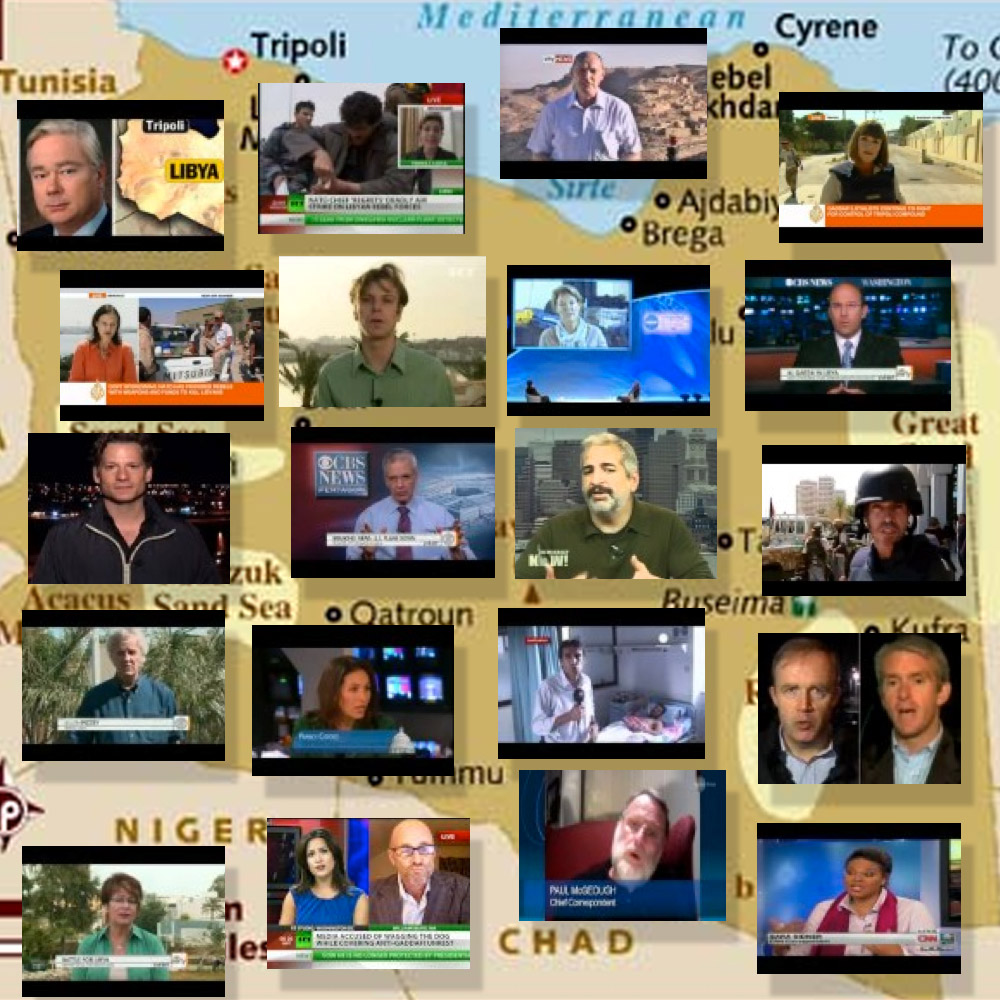
I never knew there were so many Libyan specialists with all the international news networks…
still I keep wondering why they did not speak out
a decade or so before about this “African Hitler dictator and his unbearable reign of terror…”
Posted in Africa | Tagged amnesia, Libyan Uprising 2011, news coverage | Leave a Comment »

LOOTING: peeling off layers of meaning on the crossroad of wanton destruction and instantaneous greed…
Images of Tripoli and London blur on my inner eye…
Fire burning social constraints.
For a short moment only.
Property remains the fundament of societies through all times.
Ownership resurfaces like a phoenix from fire.
Posted in Revolts | Tagged Libyan Uprising 2011, looting, ownership, property, Revolts, UK Riots 2011 | Leave a Comment »
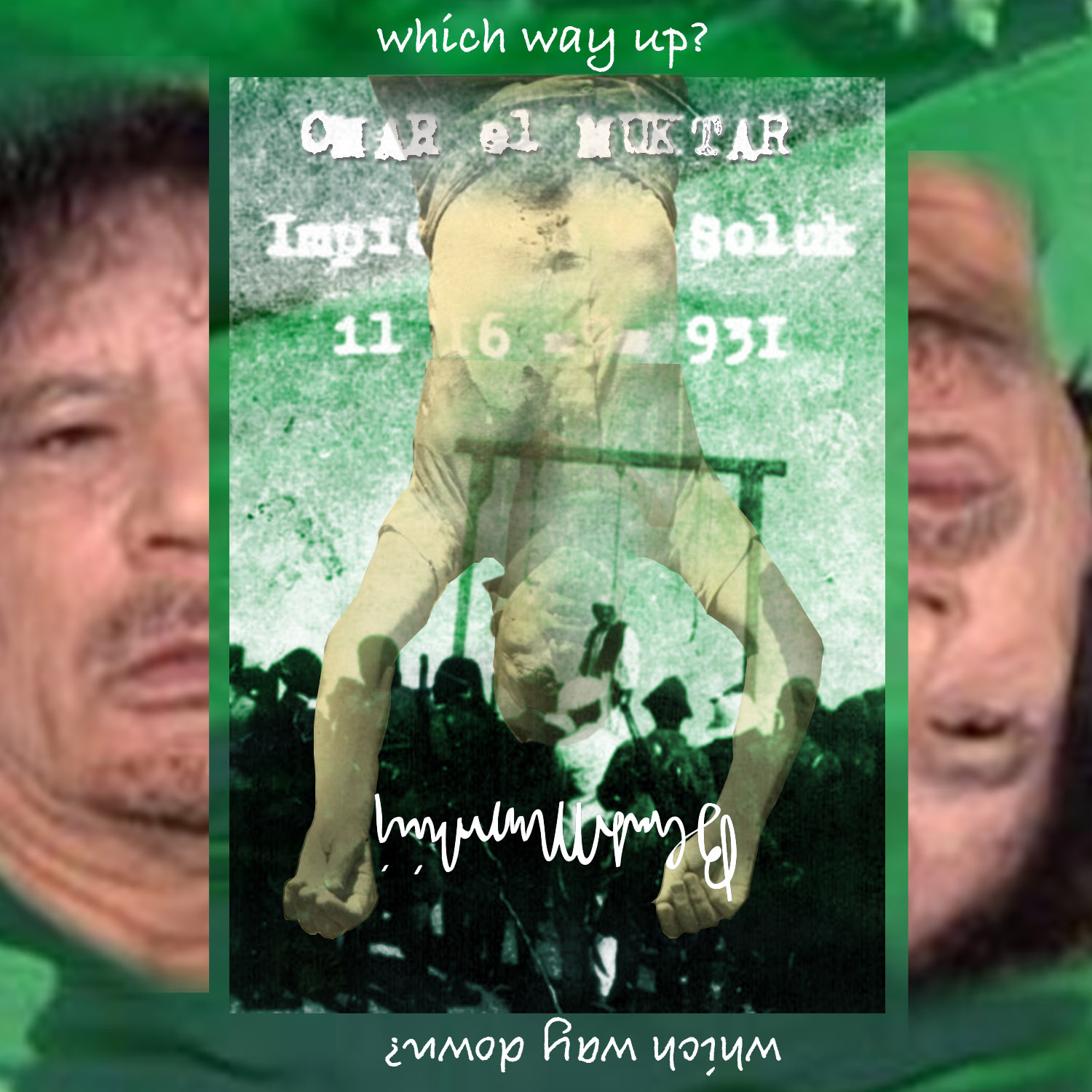
What will be the last view of Gaddafi of this world?
which way up?
which way down?
what will be our last view of him?
the anti-colonial guerilla fighter hero he associated with Omar al Mukhtar – Lion of the Desert – hung in 1931 by the Italian fascist colonial regime under Benito Mussolini
(Gaddafi wore the last photograph of Mukhtar alive just before his execution as a badge on his military uniform when visiting Berlusconi in Italy in 2009)
or
the ruthless dictator Benito Mussolini, as captured by Italian Partisans in 1945, when he tried to flee to Switzerland and executed on the spot, hung by his feet
—
the flag of his copy cat green revolution waved four decades
the regime he helped create repressed as many people as it did bind, to its peculiar form of common wealth
despised and embraced at the same time, by other leaders from other countries
who drew their plans for his removal while celebrating their meetings with him
those from his own camp, who now leave him to face up to his last days
will trample on his face to hide their own past
will his court be in the streets or in The Hague?
there will be no singular view of Gaddafi
as with all dictators both his face
and the way we see it
are split.

========
see also “The disembodied Leviathan of Libya” on this blog.
Posted in Africa, Is everything propaganda then? | Tagged Benito Mussolini, Gaddafi, Green Revolution 1969 -, Muammar el-Qaddafi, Omar Al-Mukhtar (1862-1931) | 1 Comment »
THIS IS MY FIRST QR-CODED tableau try it:
“Bonnet d’âne pour le FMI” (dunce’s cap for the IMF; literary ‘donkey’s cap’) I read in Le Monde Diplomatique of August 2011, with a sarcastic comment by Pierre Rimbert on how the arrest of Dominique Strauss Kahn for sexual assault of a hotel worker on May 15th overshadowed a self-critical report of the International Monetary Fund by its own “Independent Evaluation Office” (IEO) published on May 20. The report itself is on-line and worthwhile reading, because the ‘economic assault of international banks’ on all of us is too easily overlooked as we all like daily scandal better…
These are some harsh findings in the report of the Independent Evaluation Office of the IMF:
“…the relevance of research to authorities and its utilization were hampered by the lack of early consultation with country authorities on research themes and by a lack of country and institutional context.” [page 27; paragraph 75]
“…there is a widely held perception that IMF research is message driven. About half of the authorities held this view, and more than half of the staff indicated that they felt pressure to align their conclusions with IMF policies and positions. Policy recommendations provided in some research publications did not follow from the research results, and a number of country authorities and researchers noted that IMF research tended to follow a pre-set view with predictable conclusions that did not allow for alternative perspectives. This detracted from the quality and credibility of studies and reduced their utilization.” [page 28; paragraph 77]
“…there was no IMF-wide leadership of research. Research activities were highly decentralized, and there was very limited coordination across departments. There was no mechanism to set IMF-wide priorities or quality standards. Collaboration among staff across departments was limited and mostly based on personal relationships.” [page 28; paragraph 79]

Click picture for bigger version and test the QR-code: tested with iPad 2 and 4 QR-code apps: QR HD, Scan, QRdeCode, Qrafter (the last one is the best as it zooms automatically and is a free app) It should bring you directly to the report of IEO "Research at the IMF: relevance and utilization."
Reading the self-critic report of the IMF made me check its reception and how it was related to the impact of Strauss Kahn and his short lived IMF reign. It lead me to the English language Turkish newspaper ‘Today’s Zaman’ (said to be close to the Turkish Justice and Development Party) and a long comment by their columnist Asim Erdilek, from which I took this citation:
What both IEO reports omit, however, is that since 2008 the IMF’s official views have been moving away from the Washington Consensus. This began under the former IMF Managing Director Dominique Strauss-Kahn, a former socialist French finance minister, who chose his compatriot MIT macroeconomist Olivier Blanchard to be the IMF economic counselor and research department director (see my columns “The IMF’s evolving policy makeover” (1) and (2), published on Feb. 22 and March 1, 2010, respectively). In several recent publications the IMF has demonstrated its tilting to the left in economic policies by calling for higher inflation rates as well as greater financial regulation in developed countries and for capital controls in developing countries. We have to wait and see whether this tilting to the left will continue, creating an opposite research bias, under the IMF’s controversial new managing director, also from France.
Christine Lagarde one of the few ministers in the cabinet of Sarkozy’s UMP party that survived the frequent reshuffles of France’s president (“Le joker de Sarkozy”; Le Figaro; 2009), is a lawyer by profession and not an economist, she is known for publicly denying bad news and proposing her view of “la vie en rose.“:
Christine Lagarde estime que “le gros de la crise est derrière nous” Le Nouvel Observateur 20/8/2007 (Christine Lagarde estimates that the main part of the crisis is behind us)
Christine Lagarde: conférence de presse “L’économie française repose sur des fondamentaux qui sont solides […] Je ne conçois pas aujourd’hui de contamination à l’économie mondiale” Le Monde Blogs 17/8/2007 (Christine Lagrande during [an often cited] press conference: “French economy is put on solid fundaments […] I do not conceive today a contamination of it by world economy”)
Lagarde : “Il n’y aura pas d’éclatement de la zone euro” Le Figaro 18/11/2010 (Lagarde “the Euro zone will not be blown up”)
If she will be anything more than a mouthpiece for the international banking world is doubtful, if her method of public broadcasted optimism is enough to quell the financial crisis is most unlikely.
The conspiracy theories that have been circulating with Dominique Strauss Kahn as a supposed leftist belonging to the French Socialist Party, to be discredited by a schemed sexual intervention, leading to the appointment of another French director of the IMF from the right wing UMP party of Sarkozy, are grotesque. DSK is a man finding apparently pleasure in risky violent sexual behaviour. The coming-out of the lady he assaulted, did also put an end to any Hollywood movie inspired conspiracy story, with high class call girls on secret missions. It was indeed just a lady doing hotel work who befell the outrageous assault. Sarkozy may even not have been comfortable with the demise of DSK, as with DSK the interest of France in an international organisation, was some how manifest, at a level beyond national politics. That a politician like Sarkozy grabs the occasion delivered to him by DSK’s fall, is obvious, but this was first of all a improvised emergency measure. And so Christine Lagarde, promoted by France, added this “personal touch to her pitch to lead this global institution” for the board of IMF directors on on June 22, 2011:
“I stand here as a woman, hoping to add to the diversity and balance of this institution. I stand here as former head of an international law firm with a dedication to integrity, to the highest moral standards and a belief in participative management. I stand here as a Finance minister who has been tested in times of crisis. I would like to put these skills and experience at work to serve the International Monetary Fund”
‘Rue 89’ a daily platform for commenting the news has a comment on a radio interview with Lagarde still as the French minister of finance with ‘France Inter’ on April 11th this year, where she also has to answer questions by listeners. A pensioned lady comes in the broadcast and explains how she tries to live on 800 Euros a month and succeeds only to cover 15 days with this amount. Comes the answer of Lagrande:
“Le gouvernement a tout a fait conscience de votre problème et c’est pour cela qu’il a décidé d’augmenter de 2% les pensions de minimum vieillesse.” (The government has been completely conscious of your problem and has therefore decided to augment with 2% the minimum elderly pensions)
The commentator on ‘Rue 89’, the economist Jean Matouk, precises in his article (*) the actual government measures, 4,7% augmentation for the minimum elderly income and 2% for the pensions. Matouk tells us in a sarcastic tone also to what it boils down: “16 Euros more pro month. What is she moaning about?” The next question to Finance Minister Lagarde from radio listeners make her jumps from tens of Euros to milliards, as the support for Greece and other “weak economies” in Europe and its financial consequences are brought in. I will not cite the whole interview here, details are on-line in French, but what is striking, is the correlation between the way the poor pension lady is helped by Lagarde and her world of high finances and the way ‘global economy’ is handled by the same forces.
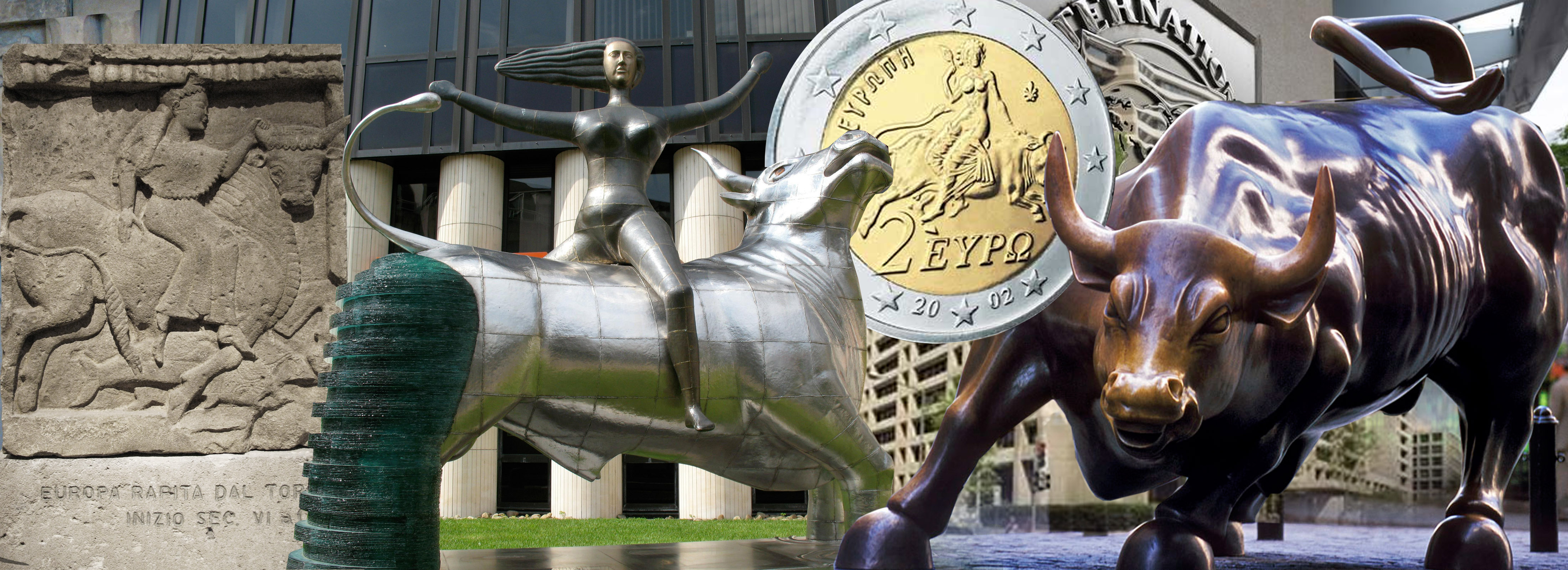
Christine Lagarde riding the Euro bull in front of the European Parliament Building in Strassbourg while the New York Wall Street bull is waiting her, a symbol of the recovery of the American people from the stock market crash of 1987 by the Italian-American artist Arturo Di Monica, who placed the sculpture on his own initiative at first, later integrated as a city highlight. The charging bull shows in Di Monica's words: "the energy, strength, and unpredictability of the stock market." (**)
“I stand here as a Finance minister who has been tested in times of crisis.” The pitch from Lagarde for the board of directors of the IMF and she did get the job. “Been tested” seems to be the ability of politicians to remain in the saddle during an economic rodeo, which does not mean that the bull she has been riding has been tamed. Alternative forms of domestication are needed and there seem to be no ‘alternative views’ possible with the IMF, neither with the board of directors, nor with their new head Lagarde, let me cite again IMF’s Internal Evaluation Office May 2011 report:
“researchers noted that IMF research tended to follow a pre-set view with predictable conclusions that did not allow for alternative perspectives.”
It is ‘alternative perspectives’ on economy we need to put an end to orchestrated ‘economic assaults’ that are at the basis of the legal system of our societies and remain thus – most of the times – unpunished
—
(*) Vivre avec 800 € par mois quand les banques enfument le monde (‘Living on 800 Euros a month while the banks smokes up the world’; there is a double meaning here in ‘enfumer’, one of a smoke screen, the other of something being fucked).
(**) For details on the Wall Street bull of Di Monica see Wikipedia.
Posted in Economics, Is everything propaganda then? | Tagged Christine Lagarde, Domique Strauss Kahn, IEO, Independent Evaluation Office of the IMF, International Monetary Fund, Jean Matouk, QR-codes, tableaus | Leave a Comment »
(*) splurge (as in “ostentation”) n. : an ostentatious display (of effort or extravagance etc.) splurge (as in “squander”) v. : indulge oneself; “I splurged on a new TV” splurge (as in “flaunt”) v. : be showy or ostentatious
(**) ostentation (as in “display”) n. : a showy outward display ostentation (as in “inelegance”) n. : lack of elegance as a consequence of pomposity ostentation (as in “pretentiousness”) n. : pretentious or showy or vulgar display
——-

Following the news of the rioting and looting in the UK (Tuesday August 9 2011) I found a Google map and database produced by the Guardian, that keeps track of riot events as they become known. The data is also provided for download for further exploration by the public . I downloaded the file and made a small script to interpret the data, because I want to understand what is happening and I have many questions:
Frustrated (unemployed) youth educated as a consumptive generation without having the means? Lack of educational opportunities? Street gangs? Enraged youngsters fed up with discrimination? Spontaneous associations of troublemakers from all over town? Combinations of window smashers and bystanders that (also) grab the opportunity of unpaid shopping? Many more options could be thought of. As we do see several examples of local shopkeepers and entrepreneurs, who are part of the local community, that fall victim to arson, smashing and looting, one wonders about the motivation and background of the perpetrators.
The GoogleMap in the Guardian that indicates the riot spots, shows both concentration points in poor suburbs and also notes a few bashings of high street shops in more affluent areas. Oxford Street and the West End are hardly touched though. So, how class conscious is this series of riots and lootings of the last days? In the incident list of The Guardian I find only one example that associates with class differences and direct confrontation, suddenly coming to an outburst. The target is a kind of chique restaurant (two Michelin stars), attacked on Monday , “The Ledbury” in Kensington. The Guardian database record for this one reads: “Gang broke into the Michelin-star restaurant wearing hoodies, masks, and with random weapons. The rioters smashed up the place and diners were forced to hide in the cellar as rioters targeted them for theft.”
To give myself some understanding of the settings of this awkward disruption of an evening outing, I check out the web on this particular restaurant and find the following description, that curious enough, also points to the recent ‘class shift’ the of the neighbourhood where the assault took place – Nothing Hill:
Don’t be fooled by the name [“The Ledbury”, named after the street; Tj.] , which should belong to an unassuming gastropub. Nigel Platts-Martin and Philip Howard’s venture is a very serious restaurant. This is the kind of food that aims to draw a round of applause before it’s even been tasted, where sauces are poured in complex geometries, where slender towers of ingredients appear more like architects’ models than food, and where familiar-sounding ingredients have foamed, crushed and pureed beyond any hope of recognition. Before gentrification, this part of Notting Hill used to be known as ‘crack square’. The Ledbury has replaced this trade with food that’s better than any drug, but at prices that will bankrupt you faster than the most ferocious addiction.
For the rest I can see very few examples of a possible low class versus high class rebellion. The old bastion of high class shopping Harrods – “Luxury beauty and fragrance, fashion accessories, gifts” – in Regent Street has – as far as I can ascertain – not been looted. Seeing the burnt out local shopping streets and hearing the fate of those who could flee in time their homes, those that had their shops or workplaces smashed, makes it hard to explain away the riots just on the wide class divide the UK always had and has not been able to level or soften. Social discontent finds its way of expression here in extreme a-social and life threatening deeds.
The imagination of a possible future change of power relations seems mostly absent within the circle of rioters. It is all ‘here and now’. The classical pattern of first smashing goods and property in a furry and next trying to take possession of them, was present here. Goods that can be carried away changed owner, property that is unmovable was set on fire. A ‘jacquerie à l’anglaise’, spontaneous, violent and politically unconscious. An unstructured rise of the lower classes, fed by vengeance and want. Hitting around you and hurting your neighbour. The nearest by – half a step higher – class on the long British social ladder, singled out as target. Neighbourhood stores and community facilities fell victim first. The idea of some sort of minimal solidarity within a neighbourhood of similar social content, drowned by a single incident: “A young man shot at Warrington Road, Croydon junction with Dupass Hill” (the first line in the Guardian 2011 Riot database). A young man, of 27 years, named Mark Duggan, a father of four children, killed in Tottenham – North East London – by a police officer who halted and wanted to control him, who is said to have felt threatened, and fired.
The subsequent confrontation with the police during a demonstration protesting this killing by a police man, ignited the smoldering discontent in this North London neighbourhood. The series of riots that sprang from there on, were mostly outside of Central London. One may recall the very different street violence when half a million protesters marched through Central London in March 2011 during the London Anti-Cuts Protest. At that time there were a few violent actions aside of the main peaceful demonstration, a phenomenon that can often been seen in the margin of any big demonstration. That violence was different from the August riots now. In March unruly more political oriented groups targeted ‘symbols of the capitalist system’, located in the West End of London. Window panes in Oxfords street were smashed, Banks graffitied , the Ritz Hotel hurled with firework and a bonfire was started in the heart of the London shopping district at Oxford Circus.
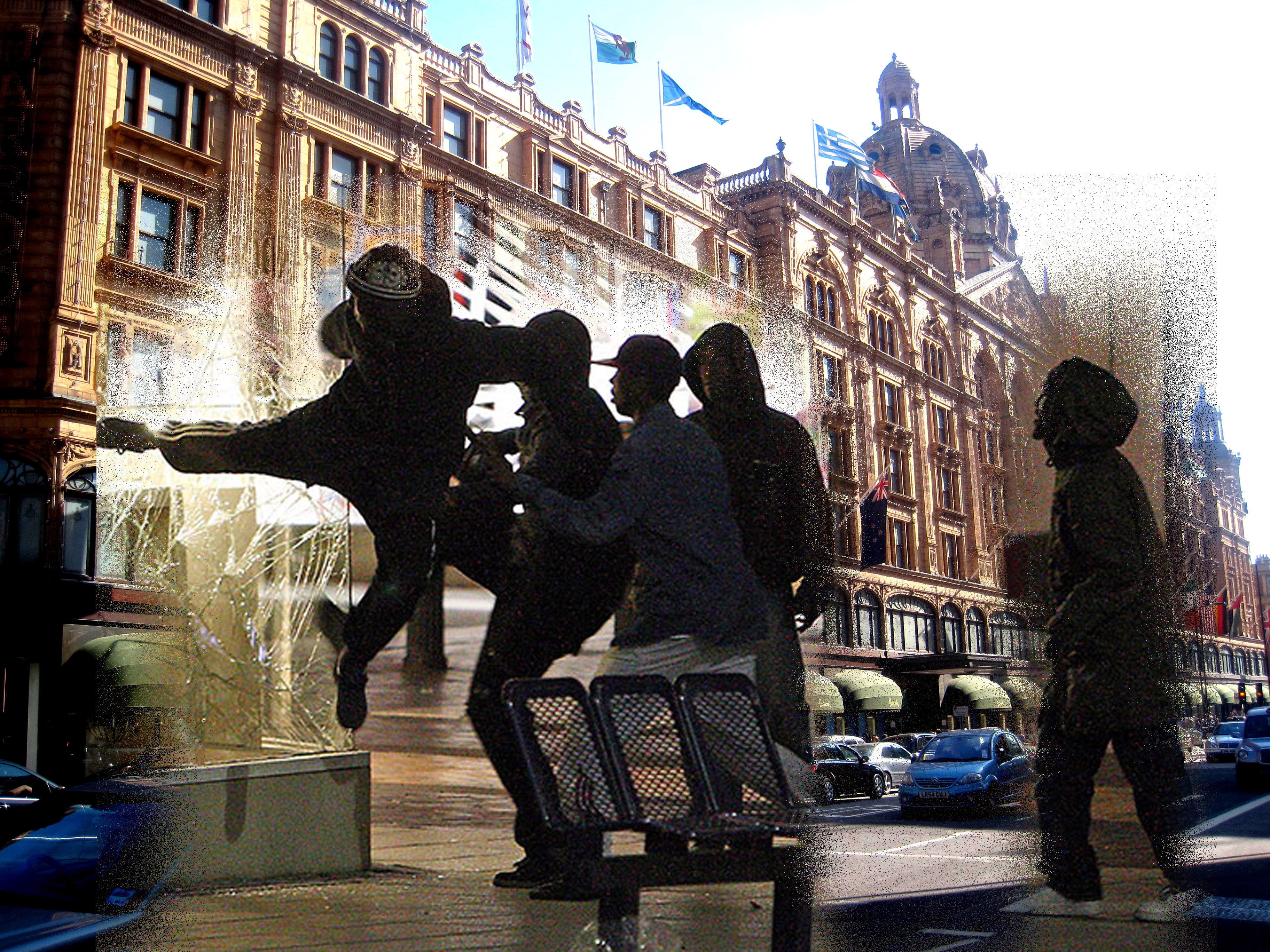
Splurge with Londons High Class Shopping Scene, one can read when searching for shopping fun in the world: “Without much question, London ranks as one of the most famous in the world as a high-class shopping destination. Tourists never fail to miss this city in their itineraries upon having a tour or vacation in England or in Europe. Shops and goods in this city are all lovely, spectacular, and really worth buying and keeping.”

Overview zoom from interactive GoogleMap on the 2011 summer riots by The Guardian as published 9. August 2011; the central parts of London are hardly effected.
The list of London’s low class riot shopping as can be curled from The Guardian’s UK Riot Locations database, is less spectacular than what the tourist board of London promises to affluent tourists from abroad. It is the regular high street shop chains with sport shoes, cheap clothing, mobile phones, house electronics and the like that were favoured by the looters. The class-devide reigns so strong in the UK that the imagination of revolting youth did not even led them venture in the more classy central districts where the luxurious shops and high end brands of London can be found. It is very similar to what in the year 2005 could be observed during the suburban risings in France and especially the ones around the centre – the banlieu – of Paris. The violence was – at that time – confined to the suburbs proper. No window smashing or car burning at the most exclusive shopping areas of Paris at Place de Vendôme or Saint Sulpice.

The Guardian map of all the incidents shows that it was not only suburban low income areas, where the looting takes place. There have been some examples of ‘high street’s with shops in more affluent areas, like for example in the City of Westminster near St. John’s Wood. But in general it is the poorer areas that are most effected.
Argos 6 x
Boots 2 x
Currys 3 x
Foot Locker 3 x
H&M 2 x
Halfords 2 x
JD Sports 6 x
Jessops 2 x
McDonalds 2 x
O2 2 x
Primark 2 x
Sainsburys 2 x
Tesco Express 2 x
This is the list of all places (171 in total including the beginning of the riots with a shooting incident, some mention of fire (brigade) facilities, police stations and so on:
A young man shot at Warrington Road, Croydon junction with Dupass Hill 1 x
Abbotsford Dr 1 x
Adidas store 1 x
Admiral Street Police Station 1 x
Aldi supermarket 1 x
Boots 2 x
Arena Shopping Park 1 x
Argos 6 x
Ashley Road 1 x
Austin Reed 1 x
Barclays 1 x
Betfred 1 x
Big Green Bookshop 1 x
Bishop Street 1 x
Blockbuster 1 x
Bookies 1 x
Boots 2 x
Brazas Restaurant 1 x
Brent 1 x
Bromley South rail station 1 x
Bullring shopping centre 1 x
Burger King 1 x
Bus 2 x
Bus and police cars 1 x
Cabot Circus 1 x
Cabot Circus shopping centre 1 x
Camden Lock 1 x
Carpetright shop 1 x
Carphone Warehouse 3 x
Cash Converters 1 x
Catford 1 x
Chalk Farm 2 x
Chatham 1 x
Church Street 1 x
Clarence convenience store 1 x
Clarks shoe shop 1 x
Colmore Row 1 x
Comet 1 x
Cornwall street 1 x
Currys 3 x
Cyber Candy 1 x
Dalston Kingsland Centre 1 x
Dean Street 1 x
Debenhams 1 x
Design studio 1 x
Duppas Hill Road 1 x
Ealing Broadway station 1 x
Eldon Street, Chatham 1 x
Fire engine 3 x
Foot Locker 3 x
Game 1 x
Gas main 1 x
Gay’s The Word 1 x
Gillingham 1 x
Gloucester Road 1 x
Gowthorne Street, New Basford 1 x
Grove Street 1 x
H&M 2 x
Hackney Town Hall 1 x
Halfords 2 x
Haringey Magistrates Court 1 x
Harringay Arena Shopping centre 1 x
Harveys 1 x
Haven Green 1 x
High Street
London E17 7JS 1 x
HMV 1 x
Independent phone shop 1 x
Independent Sports shop 1 x
Jamaica Inn 1 x
Jamie’s Italian 1 x
JD Sports 6 x
Jessops 2 x
Kelham Green 1 x
Kelmscott secondary school 1 x
Kilburn High Road 2 x
Kings College Hospital 1 x
Ladbrokes 1 x
Lavender Hill 1 x
Lewisham Town Centre 1 x
London Road 1 x
Luther Close 1 x
Maidstone Road Chatham 1 x
Mare Street 1 x
McDonalds 2 x
Minicab 1 x
Miss Selfridge 1 x
Montacute road 1 x
Monument Way 1 x
Mothercare 1 x
Myrtle Parade 1 x
National Express Bus 1 x
New Street, Chatham 1 x
Norwood Road 1 x
O2 2 x
Old Kent Road 1 x
Orange shop 1 x
Oxford Circus 1 x
Pallasades Shopping Centre 1 x
Pawn shop 1 x
PC World 1 x
Pembury Estate 1 x
Phones4U 1 x
Police car 2 x
Portland Square 1 x
Post Office 1 x
Primark 2 x
Princes Road, Princes Avenue 1 x
Pure Gym 1 x
Pym Street 1 x
Rainham 1 x
Reeves furniture store 1 x
Richer Sounds 1 x
Ripple Road 1 x
Rye Lane 1 x
Sainsburys 2 x
Salford 1 x
Savers 1 x
Shopkeepers 1 x
Smithdown Road, junction with Lodge Lane 1 x
Sony Distribution Centre 1 x
Square Peg pub 1 x
St Anns Police Station 1 x
Station Road 1 x
T-Mobile 1 x
T-Mobile London – Palmers Green 1 x
Tandem Centre retail park 1 x
Tesco 2 x
Tesco Express 2 x
The Broadway 1 x
The Ledbury 1 x
Thomas Sabo jewellers 1 x
Topshop 1 x
Tottenham Hotspur Football Club 1 x
Tottenham Police Station 2 x
Upper Parliament Street 1 x
Vodafone shop 1 x
West Bromwich High Street 1 x
WH Smith 1 x
Wolverhampton 1 x
Posted in City riots | Tagged databases, GoogleMaps, looting, riot mapping, social unrest France 2005, The Guardian data, UK riots summer 2012, United Kingdom class divide | Leave a Comment »
Gay Pride 2012, who is next to come out? The Dutch army and the National Bank (DNB) are only a few official institutions that participate with a boat of their own in the yearly Canal Parade of Gay Pride Amsterdam. The museum and cultural sector is presented with their own boat (Amsterdam Museum | Bijbels Museum | De Nieuwe Kerk Amsterdam | EYE/Filmmuseum | FOAM | Hermitage Amsterdam | Het Concertgebouw | Het Nationale Ballet | Joods Historisch Museum | Koninklijk Concertgebouworkest | Museum Van Loon | Nationaal Historisch Museum | Nederlands Bureau voor Toerisme en Congressen | Nederlands Philharmonisch Orkest | Ons’ Lieve Heer op Solder | Rijksmuseum | Scheepvaartmuseum | Stedelijk Museum | Tassenmuseum Hendrikje | Tropenmuseum | Van Gogh Museum) a never ending list. Even the government has their own (contested) boat – though the prime minister – Rutte – choose to profile himself at a more straight mass party around the corner on the same day as the Canal Parade: ‘Dance Valley’ . A Dutch Hindu boat was a newcomer this year following the trend of Christian, Islam and Jewish gay representation, during an event that seems to aim at embracing ‘the whole’ of Dutch society. But certain key sectors of the Netherlands keep ‘missing the emancipation boat’, fail the institutionalised ‘coming out’: Dutch football business, the Dutch Royal House of Orange (and they have several nice boats ready to take part) and a boat of a section of this society that is thought to consist mainly of macho heteros, the Dutch Mafia. Here is an underworld that should be targeted, stimulated to ‘come out of their closets’. One can already enjoy the vision of a ‘parade of sails’ of hash and cocaine boats chaperoned by armoured speedboats, with the crew dressed in proper t-shirts and sunglassed criminals with their water-pistols doing ‘bang, bang, bang’.

Posted in Amsterdam World Village, Discrimination, Dutch politics, Emancipation, Sexuality | Tagged Canal Parade, Gay Pride 2012 Amsterdam, institutionalisation of emancipation movements | 1 Comment »
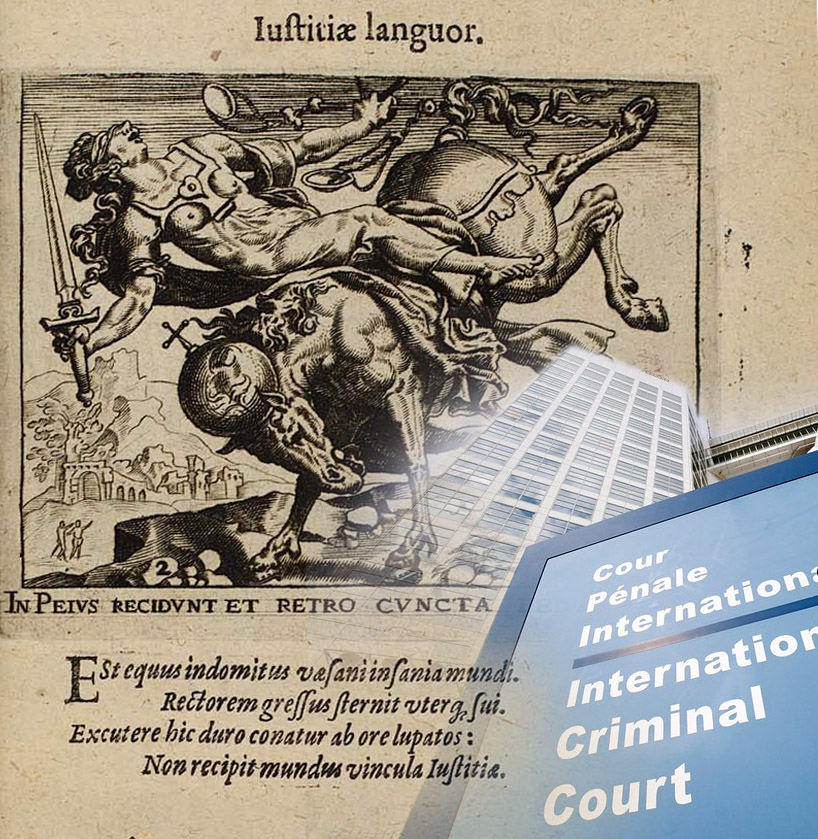
|
Iustitiae Languor/Justice Falls Down:
Indictment for Gaddafi but not (yet) for Assad makes one wonder and the symbol of Justitia as an impartial being came to mind and it made me search in one of the emblemata databases for the word ‘justice’, this one popped up and though made in the 17th century it is still fitting four centuries later, where the geo-political situation in the world often gets out of control, like an unbridled horse.The emblem book (*) has the old German text on the facing page and it reads:
motto (de) GLeich wie ein wildes/ freches Pferdt A quick rendering of the somewhat obscure German – with an eye to the Latin – could read in English: Like an untamed horse |
——–
(*) Proscenium vitæ humanæ siue Emblematvm Secvlarivm, Ivcvndissima, & artificiosissima varietate Vitæ Hvmanæ & seculi huius deprauati mores, ac studia peruersissima. Versibvs Latinis, Germanicis, Gallicis & Belgicis ita adumbrantium … (1627, Frankfurt)
Posted in Art & Politics, Justice | Tagged emblemat, emblemata, International Criminal Court | 1 Comment »

Pictures of tanks advancing on Hama and demonstrations in that town of these last days.
”Syrian tanks storm the city of Hama” I read today and the mere name of that haunted town makes me shiver, as tens of thousands of people were massacred there in the year 1982 on orders of Assad Senior, the death toll ranges between 20 and 40 thousands. A genocide forgotten – some say – a political mass-murder would be a more apt classification. The movie below commemorates the 1982 ordeal of Hama in Syria.
The well documented Syrian Human Rights Committee has this report on the 1982 Hama Massacre: http://www.shrc.org/data/aspx/d5/2535.aspx
Infringements on human rights in Syria have been documented for decades by organisations like Amnesty International and Human Rights Watch. This has not led the ‘international community’ to take any serious action against the Assad regime. The Assad dynasty is a stabilising power in the region, as was the Egypt of Mubarak. The fate of Syrian citizens is judged as being less important than the Middle East Entente.
Also the International Criminal Court in The Hague – sadly enough – is more lead by the geo-politics of its constituent states, than by the rule of international law. Whereas the UN Security Council asked the ICC to research whether the Libyan government should be indicted for its threats to the civilian population. No such actions have been taken against the Syrian government of Assad Junior. The balance of power in the Middle East is more important than the balance of international justice. Or will the attack of tanks on demonstrating citizens of the town of Hama make the bascule of justice move to its proper position?
Of the 139 states that have signed the Rome Statute of the International Criminal Court, 34 have not ratified the treaty, Syria is one of them.
Posted in Justice, Middle East, Social protest | Tagged Assad Regime, Hama Massacre 1982, International Criminal Court, Middle East Entente | Leave a Comment »
A picture today in Aljazeera of the Green Square (1) in Tripoli struck me, it had a caption “People gather near a portrait of Gaddafi in Tripoli’s Green Square on Friday, before the explosions [Reuters]”. This news picture showed a huge street painting or print of Gaddafi and what seems to be a dwindling crowd around it. There is a fence around the picture that must be something like 50 by 250 meter in size. On the inside of the fence once sees guards posted at regular intervals. The picture shows Gaddafi in one of his hundreds of outfits, possibly the uniform of an air marshall he wore when visiting the Italian president Berlusconi in June 2009. On the right side of his uniform jacket Gaddafi wears a gallery of medals and on the left the a photograph has been pinned on his uniform. The photograph shows the martyr of Libyan resistance Omar Mukhtar, the “Lion of the Desert”, on the day before he was hanged by his Italian colonial masters in 1931. A provocative statement for his host Berlusconi, who hugged him nevertheless as he was about to make some big business deals with the Libyan leader.
The people around the fence at the Green Square in Tripoli in July 2011 look at the picture of this moment of theatrical revenge on the former colonial power, a picture that shows the leader completely, from his golden adorned cap to this shoes, with a saintly light blue glowing aura all around him. If one would not trust the strict editorial rules of Aljazeera and Reuter’s photo agency, it could have been a photoshopped picture.
This made me think of the frontispiece of the book by Thomas Hobbes “Leviathan” published in the mid 17th century during the English Civil War, which describes the necessity of a sovereign authority to be accepted by all, to avoid ‘the state of nature’, everybody for themselves, a ‘war of all against all’ (Bellum omnium contra omnes).
For the sake of peace, the people, so did Hobbes argue, had to make a social contract with an absolute ruler, best in the form of a king. The ruler in 1651 is depicted as an embodiment of ‘the people’. There is a crowd that marches from a landscape into the body of the ruler. The ruler has a sword in one and a crosier s used by priests in the other hand, showing he is in command both of state and church.
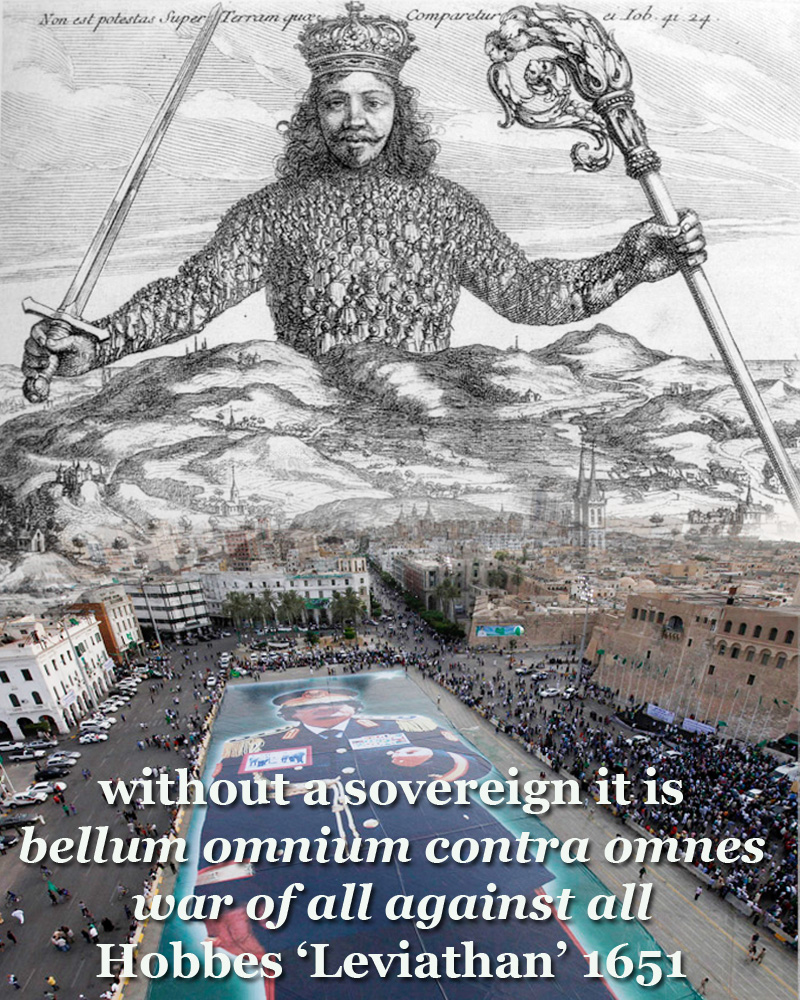
The display of the picture of the ruler as if he was a landscape, one could walk in, at the Green Square in Tripoli, has a similar function: Gaddafi as embodiment of the Libyan nation. Only, the aerial photograph unveils that it is but a meagre crowd assembled around their leader. It expresses how the maximum leader has inflated himself disproportionally to the feelings of embodiment by ‘his people’. In mathematical terms one can even speak of an ‘inverse proportionality‘, the more his popularity shrinks, the bigger his pictures.
The 17th century theory of state of Hobbes can still be used today, to understand the prolonged rule of dictators. There is some form of common interest, expressed in a social contract, by the ruler and his subjects. (2) How such a two dimensional state of affairs – ruler and ruled – may become a more diverse structure where more people can participate in the affairs of state, is apparently not well understood. The attempts of outsiders – like the Western coalition forces under NATO command – to kill the ruler have failed until now. Aerial bombing, even under the title of a UN mandate to protect civilians from attacks by their own ruler, are counterproductive. To deliver the idea of democracy to a nation does not work, or at least it takes many generations to wear off the effect of long distance destruction perpetuated by outside forces in one’s own country. (3) Interventionist regime change – as we witness for a few months now – does do little to empower the common people. Meanwhile, the ranks of the opposition forces are more and more filled with former supporters of the Gaddafi regime that try not only to evade the eminent purges after Gaddafi’s downfall, but also are preparing to continue the old rule, hidden under new revolutionary slogans.
The inflated picture on the pavement of the square of revolution in Tripoli of the dictatorial ruler Gaddafi, serves more than one purpose. It glorifies him and at the same time it shows him as an ancient non-heriditary king who knows his days are counted when he hears the song in the streets: “the king must die“. (4) The ruler as scapegoat to cleanse the history of a nation. The ‘effigy of Gaddafi’ may serve an extra purpose, as a painting to be trampled on by thousands of feet in a direct release of anger , thus avoiding or diminishing the acts of revenge that accompany any change of regime.
———–
(1) Green Square named so after the Green Revolution coup d’état of Gaddafi in 1969 (Arabic: الساحة الخضراء As Sāḥah āl Ḥaḍrā), also known as Martyrs’ Square (Arabic: Maidan Al Shohdaa); a downtown landmark at the bay in the city of Tripoli. Mainly constructed during Italian colonial times. Named Square of Independence during the short lived Libyan monarchy (1951-1969). On February 20th an anti-Gaddafi demonstration took place here, which was harshly suppressed. One source, a mortuary orderly from Tripoli who fled to Tunesia, later told the BBC that he saw hundreds of dead and wounded be brought into the hospital where he worked: “Many young people went to protest in Green Square that day, and I believe almost no-one came back alive that night.”
(2) This phenomenon is explained in another way one century earlier (1548) – and with more foresight – by Etienne de la Boétie in his “Discours de la servitude volontaire” (The Politics of Obedience: The Discourse of Voluntary Servitude). Boétie notes that “…the best and most virtuous man would not remain so if he ruled alone…” See also the study of David Lewis Schaefer “Freedom over servitude: Montaigne, La Boétie, and On voluntary servitude”, page 40, partly available at GoogleBooks.
(3) Incendiary carpet bombing of Germany, Japan, Korea, Cambodia, Laos and Vietnam, imprecise precision bombing of Iraq, Afghanistan and Pakistan…
(4) See the famous chapter of Frazer in his book the ‘Golden Bough’: “Kings killed at the end of a fixed term.”
Posted in Africa, Art & Politics, Colonial history, Is everything propaganda then? | Tagged Colonel Gaddafi (1942-), effigie, Hobbes, leviathan, scapegoating | 2 Comments »
”Kennis Nederlandse trainers over Kunduz lijkt beperkt” (knowledge of the Dutch trainers about Kunduz seems limited) is the headline of De Volkskrant daily this morning and I imagine how an ignorant Royal Dutch Marechaussee (military police) officer instructs the local Afghan police force: “Look that is how we do it in Holland!”

At the same time I imagine the improbable reversed situation of an Afghan military or police functionary training Dutch police officers at the Dutch Police Academy in Apeldoorn: “Do you understand? That’s how we do it in Afghanistan!”
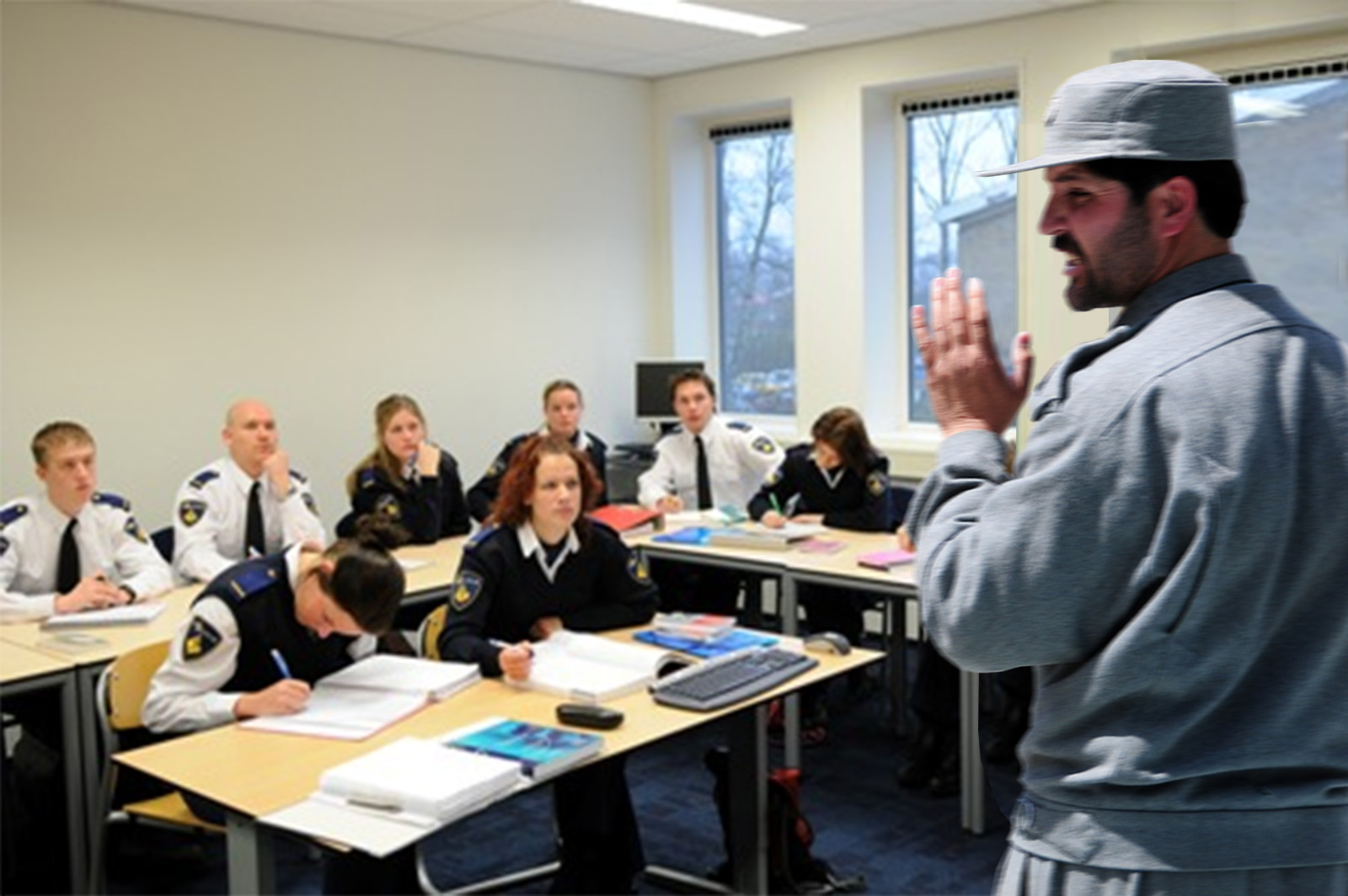
Should it be rather the Dutch politicians who need such a training before deciding to send a police training mission to Afghanistan? An impossible proposition almost for sure, because who would determine who would be the Afghan trainers for such a mission in the Netherlands, which fraction of Afghan society would such an instructor represent? Now we are ready to reverse this question and think about who has been selected in the Netherlands to train Afghan policemen. Or, can policing be made in something blank and objective non dependant on local standards and social complexities? I doubt it.

Photograph from: ourmediaindymedia.blogspot.com
Surprisingly the military mission which is presented to the Dutch public by the government as only a civil-police training mission, has been supported by two opposition parties, D66 (Democrats 1966, a mid course party ) and Groen Links (Green Left, a mishmash of christian, ecologists and former party communists). Dutch peace activists protested in February this year by protecting with their own invented ‘Kurduz Police Force’ the Green Left Congress from Taliban intruders.
A photo documentation can be found here and there is also some apparently uncut video documentation at YouTube. A more formal description of the Dutch police mission to Kurduz in Afghanistan is at the Wereldomroep web site, the world wide broadcasting service of the Netherlands that because of its critical tone is now on the government lists of non-supportive media whose budget will be scrapped.
Posted in Asia, Colonial history, Dutch politics | Tagged Afghanistan, Dutch Afghanistan military missions, Kunduz, neo-colonialism, police training | Leave a Comment »
My morning association reading the news of the release of DSK: Strauss-Kahn and Octave Mirbeau who wrote in the year 1900 the novel ‘Diary of a chambermaid’ (Le Journal d’une femme de chambre) giving voice to a maidservant: “Through her eyes, which perceive the world through keyholes, he shows us the foul-smelling hidden sides of high society, the ‘moral bumps’ of the dominating classes, and the turpitudes of the bourgeois society that he assails. Mirbeau’s story undresses the members of high society of their superficial probity, revealing them in the undergarments of their moral flaws: their hypocrisy and perversions.” (1)
Here we see Strauss-Kanh re-enacting a scene of the novel for filmmaker Bunuel together with Jeanne Moreau, if only DSK had limited himself to shoe-fetishism…
—
(1) citation from Wikipedia
Posted in Economics, Sexuality | Tagged class society and sexuality, Dominique Strauss-Kahn, Jeanne Moreau, Luis Bunuel, Octave Mirbeau | Leave a Comment »
MIJN LEREN IS SPELEN & OMGEKEERD: het was bijna spelenderwijs dat eindexamen halen begrijp ik – hoera! – en dan te bedenken dat leren iets is dat niet in tijd en ruimte valt af te perken….

MY LEARNING IS PLAYING & VICE VERSA: I understood it was almost a playful act doing your final exam – hurrah! – and then realising that learning is something that can not be confined, neither in time nor space…
Een Montessori-kind de hele weg van 4 tot 18 jaar ~ A Montessori-child all the way from 4 to 18 years.
Tjebbe van Tijen just hearing the good news in Hong Kong, June 16th 2011, 23 hrs.
Posted in Uncategorized | Tagged eindexamen gehaald, Lena van Tijen | 3 Comments »
晚安 香港 = Maan On Hong Kong / Good night Hong Kong (maan6 on1; in Cantonese tones, middle rising and high) with an authentic boxman sleeping in the arcade of the Hong Kong Cultural Center in Kowloon and a view from the Peak on Hong Kong Island over Victoria Harbour at Kowloon… taken just before midnight on Tuen Ng festival day in the city with the biggest poor rich divides in Asia.
Hong Kong's rich-poor divide still the world's worst as gulf widens
Hong Kong – Hong Kong’s rich-poor divide has widened, cementing the city’s global top spot for wealth disparity, a news report said Wednesday.
Official statistics published by the South China Morning Post show the city’s top earning families now have an income 25.7 times more than the lowest earning families.
The average monthly income of the top earning 10 per cent of the population was 77,000 Hong Kong dollars (9,900 US dollars) in 2010, up 7,000 Hong Kong dollars or 10 per cent from 2006.
However, the poorest 10 per cent saw their monthly income drop more than 3 per cent to 3,000 Hong Kong dollars, a fall of 100 Hong Kong dollars, according to figures from the Census and Statistics Department.
The middle income group fared slightly better than the poor but not as well as the rich, with their monthly income increasing by 3.3 per cent to 15,500 Hong Kong dollars a month.
Hong Kong’s Gini coefficient now stands at 0.533 compared to 0.518 in 1996, meaning the city still holds the title of having the world’s starkest wealth disparity.
The Gini coefficient measures disparity on a scale of 0 to 1, with zero showing perfect wealth distribution, and 1 maximal inequality.
The United States had a Gini coefficient rating of 0.468 in 2009.
Hong Kong has some of the world’s richest people, with three of its resident billionaires appearing in the top 30 of the Forbes rich list for 2011.

A Run Run Shaw movie of the eighties of last century re-broadcasted a few days ago on the Hong Kong channel of Celestial Movies: "The lights of the city" of a totally poor Mainland China illegal migrant family and their ordeal in surviving in Hong Kong. Misery as burlesque entertainment. Here another 'Good Night Hong Kong' scene of the family going to sleep in two cupboards they found it the street; the kids were promised that one day they would go to "the Peak" and see all the marvellous lights of the city...
Posted in Asia, Migration, Urban questions | Tagged boxman, rich-poor divide, street sleeping Hong Kong | 1 Comment »
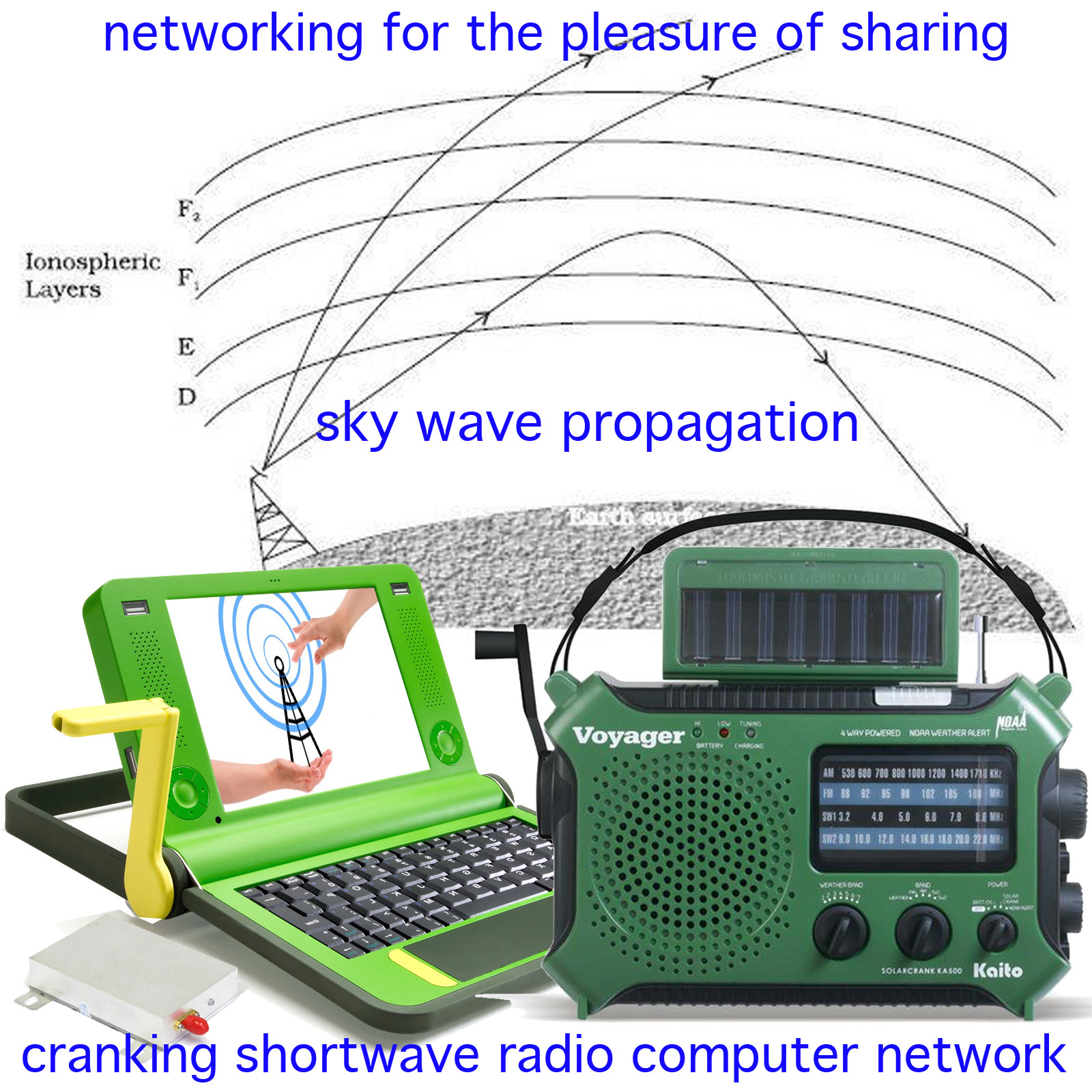
 the limping messenger